Brussels Sprouts for Babies
Baby Food Guide from 6 Months
Puree
6+
Months
BLW
6+
Months
Choking Hazard
Moderate (Low once thoroughly cooked soft)
Allergen
No
Key Nutrients
Vitamin C • Vitamin K • Folate
Can Babies Eat Brussels Sprouts?
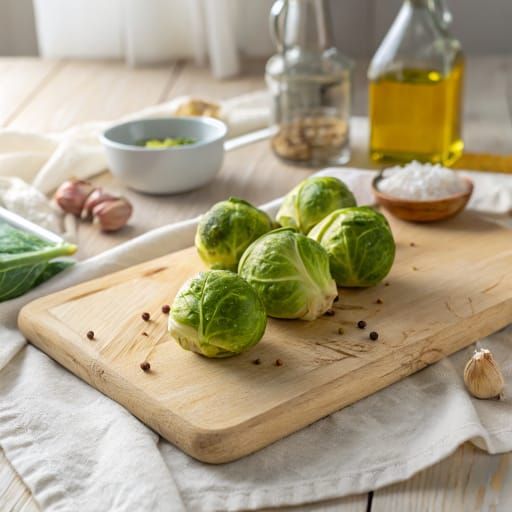
Brussels sprouts are miniature cabbages that carry an unfair reputation. Adults often remember them boiled into bitterness, but cooked properly until a fork slides through with no resistance, they turn mild, slightly sweet, and nutty instead, and most babies take to them faster than their parents expect.
They're also one of the stronger vegetables in the produce aisle. Gram for gram, Brussels sprouts often pack more vitamin C than citrus fruit, plus vitamin K and folate to support a baby's rapid first-year growth. Smaller sprouts, roughly the size of a large marble, tend to be the mildest and most tender, so they're worth seeking out for a first taste.
Brussels sprouts aren't a common allergen. The main thing to get right is texture: raw or undercooked sprouts are too firm for babies to chew, so soft cooking, not allergy caution, is what makes this vegetable safe from around 6 months, whether mashed into a puree or offered whole for baby-led weaning.
Brussels Sprouts Baby Food: How to Prepare It
Puree from 6+ Months
Trim and halve the sprouts, then steam or boil until very tender. Blend with cooking water until smooth, or shred and mash into a soft food like mashed potato.
BLW from 6+ Months
Offer large whole sprouts, about 2 inches or more, cooked until soft, or soft cooked halves and quarters. Shredded or chopped sprouts can also be stirred into mashes.
BLW from 9+ Months
Serve bite sized or quartered soft cooked pieces for pincer grasp practice. Finely shredded raw sprouts can be introduced now too.
BLW from 12+ Months
Serve sprouts as part of family meals, gradually shortening the cooking time for a firmer texture, and encourage self feeding with utensils.
Nutritional Benefits
Brussels sprouts are an excellent source of vitamin C and vitamin K, plus fiber and antioxidants that support immunity, digestion, and healthy development.
Key Nutrients
Vitamin C
Supports immune function; Brussels sprouts contain more per gram than many citrus fruits.
Vitamin K
Supports healthy blood clotting and bone development.
Folate
Supports healthy cell growth during rapid development.
Fiber
Supports healthy digestion.
Antioxidants (Kaempferol)
Help protect cells from everyday oxidative stress.
Allergen & Choking Information
Not a Common Allergen
Brussels sprouts are not a common allergen. Raw or undercooked sprouts are firm and hard to chew, so always cook them until a fork slides through with no resistance.
Frequently Asked Questions
When can babies eat Brussels Sprouts?
Around 6 months (as a smooth puree or soft whole sprout)
How do I prepare Brussels Sprouts puree for my baby?
Trim and halve the sprouts, then steam or boil until very tender. Blend with cooking water until smooth, or shred and mash into a soft food like mashed potato.
What are the nutritional benefits of Brussels Sprouts?
Brussels sprouts are an excellent source of vitamin C and vitamin K, plus fiber and antioxidants that support immunity, digestion, and healthy development.
Sources & Related Resources
Get Personalized Guidance for Every Feeding Stage
Download the Grubsy app to track meals, get tailored recommendations, and explore foods like Brussels Sprouts plus hundreds more, all in one place.
Disclaimer: This information is for educational purposes only and does not replace professional medical advice.