Bread for Babies
Baby Food Guide from 6 Months
BLW
6+
Months
Choking Hazard
Moderate
Allergen
Yes
Key Nutrients
Carbohydrates • Fiber • B Vitamins
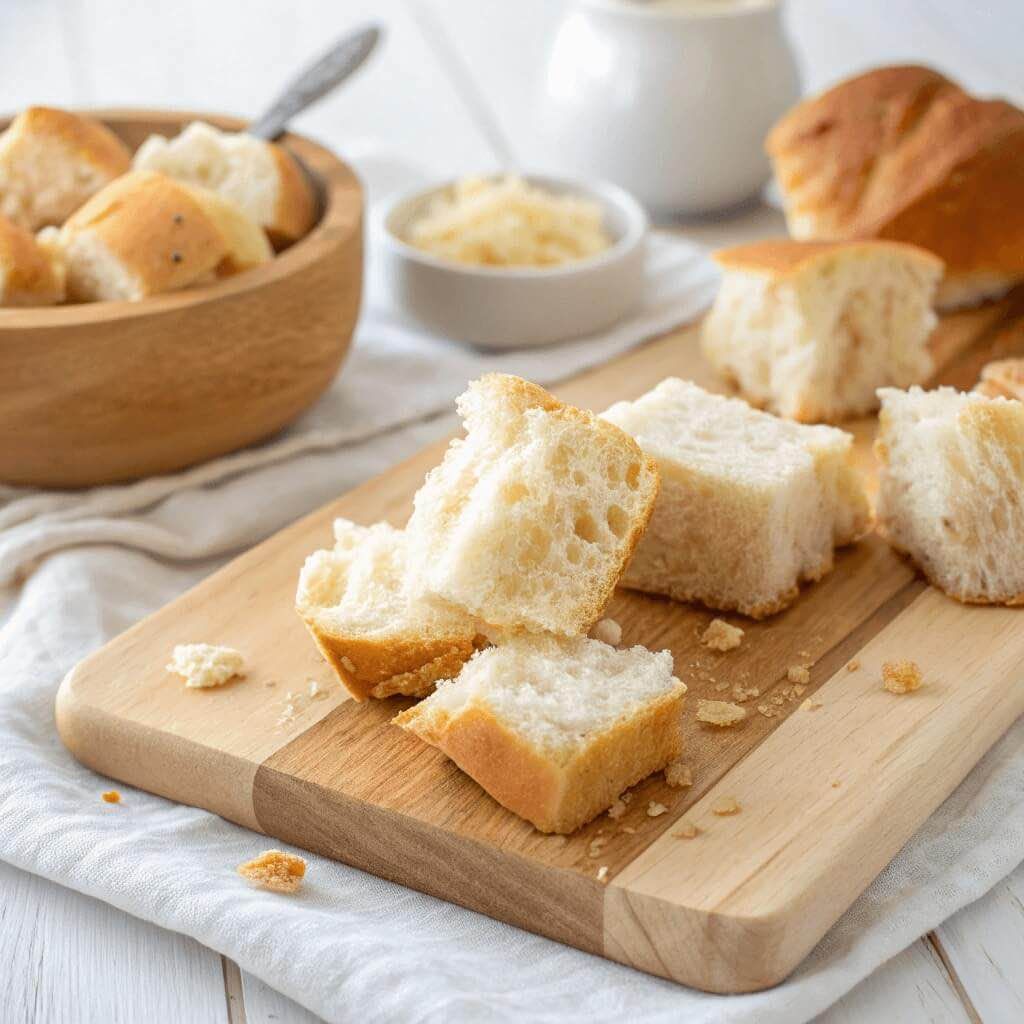
Can Babies Eat Bread?
Bread is one of the easiest ways to bring your baby into family meals: the same food everyone else is eating, just prepared safely for a smaller mouth. Whole grain versions add fiber, B vitamins, and a bit more iron than white bread, along with the complex carbohydrates babies need for steady energy.
Texture matters more than flavor here. Toasted bread firms up and is much easier for babies to manage than soft, fresh bread, which can turn pasty and stick together in the mouth. Most babies take to it quickly since the taste is mild and familiar, and it doubles as an easy vehicle for other first foods like mashed avocado or nut butter.
Wheat bread contains gluten, a common allergen, so it's worth watching closely for reactions the first few times you offer it. Beyond that, it's mostly about texture: giving your baby real practice biting, tearing, and chewing, skills purees don't build.
Bread Baby Food: How to Prepare It
BLW from 6+ Months
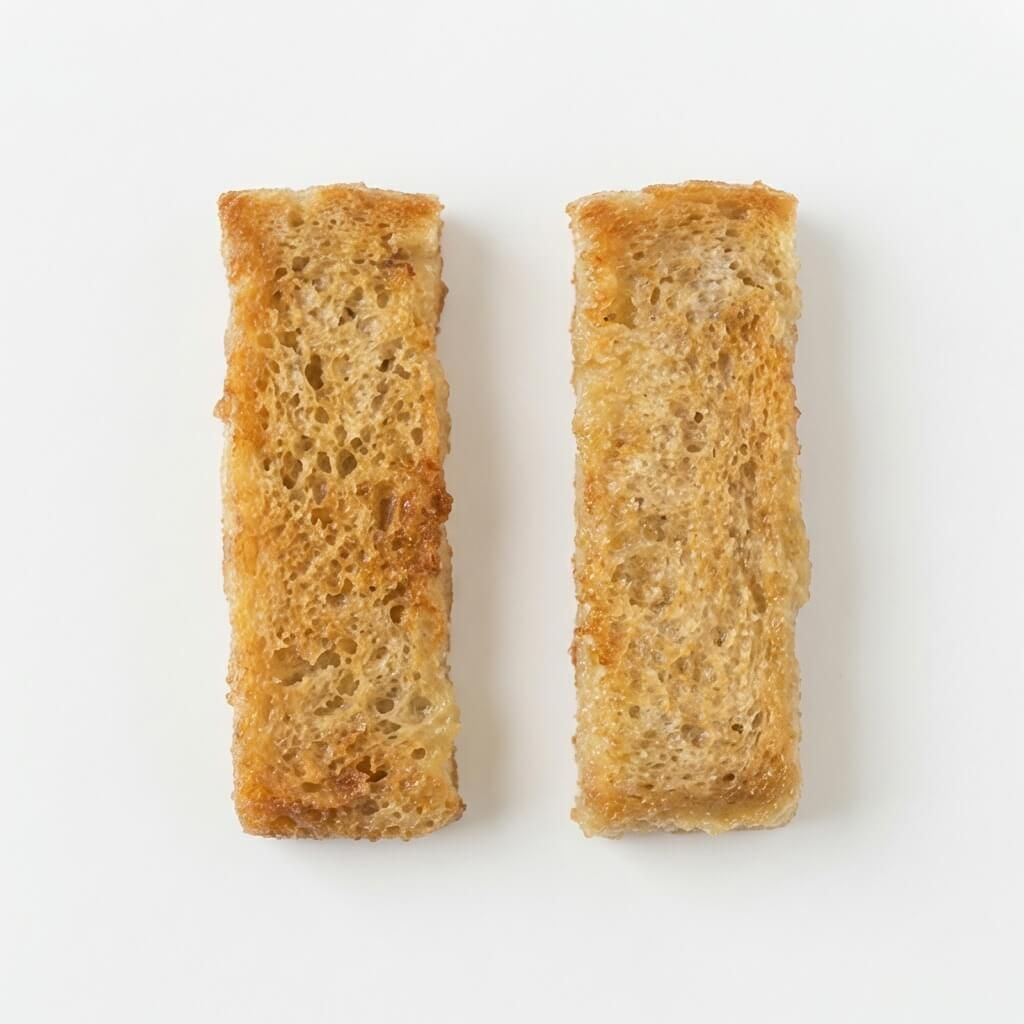
Use bread with thicker air bubbles that are less gummy, like cracked wheat bread. Toast hard enough so it doesn't gum up or bend, but not so hard it creates chunks. No honey varieties.
BLW from 9+ Months
Continue toasted strips or firm bread pieces. Bite-sized toast pieces if pincer grasp ready.
BLW from 12+ Months
Wide variety - whole slice, halves, quarters, toasted or untoasted. Can add thin nut butter spread.
Nutritional Benefits
Bread provides essential carbohydrates for energy, fiber for digestion, and B vitamins while building chewing confidence. Perfect vehicle for nutritious spreads and excellent texture practice.
Key Nutrients
Carbohydrates
Provide energy for growth and activity.
Fiber
Supports digestion and regular bowel movements.
B Vitamins
Aid brain development and energy metabolism.
Iron (in fortified bread)
Supports red blood cell formation and oxygen transport.
Protein
Contributes to muscle and tissue growth.
Allergen & Choking Information
Common Allergen
Wheat bread contains gluten, a common allergen. Start with small portions, monitoring for reactions. NEVER serve soft, fresh doughy bread—forms sticky clumps. Always toast for safety.
Frequently Asked Questions
When can babies eat Bread?
Around 6 months (toasted or softened pieces)
What are the nutritional benefits of Bread?
Bread provides essential carbohydrates for energy, fiber for digestion, and B vitamins while building chewing confidence. Perfect vehicle for nutritious spreads and excellent texture practice.
Sources & Related Resources
Get Personalized Guidance for Every Feeding Stage
Download the Grubsy app to track meals, get tailored recommendations, and explore foods like Bread plus hundreds more, all in one place.
Disclaimer: This information is for educational purposes only and does not replace professional medical advice.