Blueberries for Babies
Baby Food Guide from 6 Months
Puree
6+
Months
BLW
6+
Months
Choking Hazard
High
Allergen
No
Key Nutrients
Vitamin C • Fiber • Antioxidants
Can Babies Eat Blueberries?
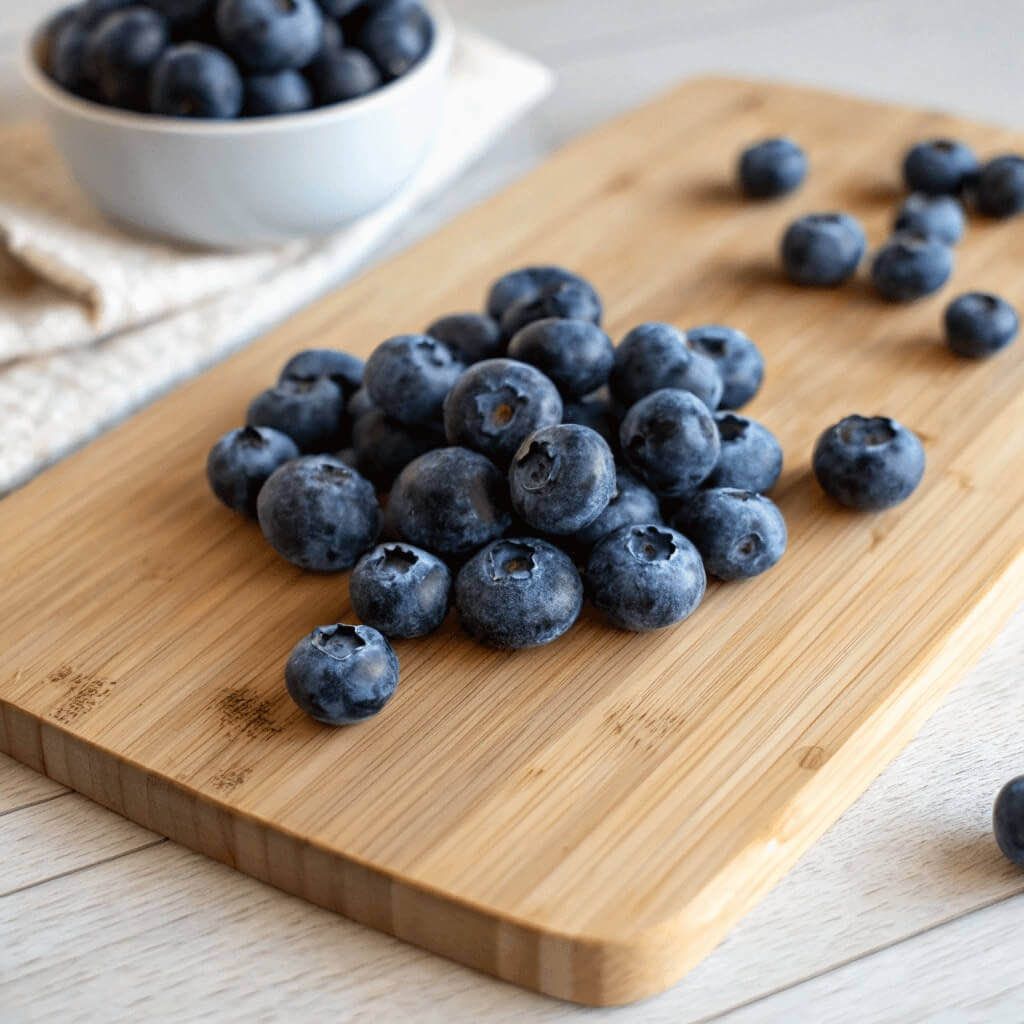
Blueberries are small, but they carry a real nutritional punch: vitamin C, vitamin K, fiber, and a heavy dose of anthocyanins, the antioxidants that give them their deep blue color. Ounce for ounce, they have more antioxidants than most other fruits, and some research even links these compounds to better memory and learning as the brain develops.
They're also one of the first foods that teaches babies flavor is more than just sweet. Blueberries have a natural tartness alongside their sweetness, and fresh or frozen both work equally well nutritionally, so frozen is a fine year-round default. Don't be surprised if a blueberry session temporarily turns your baby's mouth and hands blue; it washes off easily.
Blueberries aren't a common allergen, but whole berries are a genuine choking hazard for babies under a year. Squashed, quartered, or cooked, they become a favorite food for practicing the pincer grasp once your baby is ready for that skill.
Blueberries Baby Food: How to Prepare It
Puree from 6+ Months
Cook fresh or frozen blueberries until soft and burst, then puree until smooth. Can mix with other fruits or cereals for variety.
BLW from 6+ Months
Cooked until burst to ensure they're soft and safe for baby to handle.
BLW from 9+ Months
Flatten large ripe berries into discs for pincer grasp practice - the perfect size and texture for developing those fine motor skills.
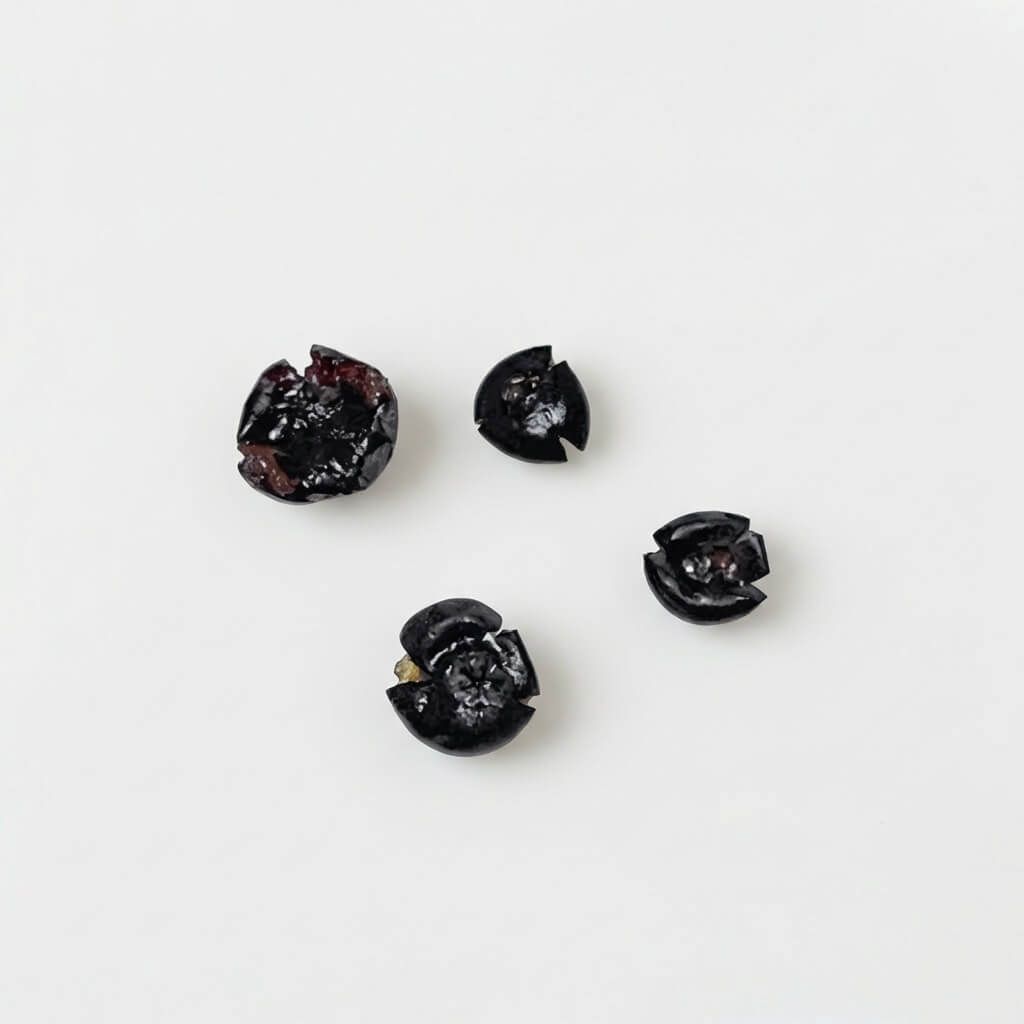
BLW from 12+ Months
Continue flattening less as skills improve. May offer whole berries if confident in child's abilities.
Nutritional Benefits
Blueberries are a nutrient-packed superfood supporting brain development, immune function, and healthy digestion. Rich in antioxidants that protect developing cells and may enhance cognitive function.
Key Nutrients
Vitamin C
Supports immune system and iron absorption.
Fiber
Promotes healthy digestion.
Antioxidants
Protect cells and support brain health.
Vitamin K
Aids bone health and blood clotting.
Manganese
Supports metabolism and bone development.
Allergen & Choking Information
Not a Common Allergen
Blueberries are not a common allergen, but whole berries are choking hazards for babies under 12 months. Always flatten, quarter, or cook them before serving to ensure safety.
Frequently Asked Questions
When can babies eat Blueberries?
Around 6 months (when cooked or smashed)
How do I prepare Blueberries puree for my baby?
Cook fresh or frozen blueberries until soft and burst, then puree until smooth. Can mix with other fruits or cereals for variety.
What are the nutritional benefits of Blueberries?
Blueberries are a nutrient-packed superfood supporting brain development, immune function, and healthy digestion. Rich in antioxidants that protect developing cells and may enhance cognitive function.
Sources & Related Resources
Get Personalized Guidance for Every Feeding Stage
Download the Grubsy app to track meals, get tailored recommendations, and explore foods like Blueberries plus hundreds more, all in one place.
Disclaimer: This information is for educational purposes only and does not replace professional medical advice.