Black Beans for Babies
Baby Food Guide from 6 Months
Puree
6+
Months
BLW
6+
Months
Choking Hazard
Moderate
Allergen
No
Key Nutrients
Iron • Protein • Fiber
Can Babies Eat Black Beans?
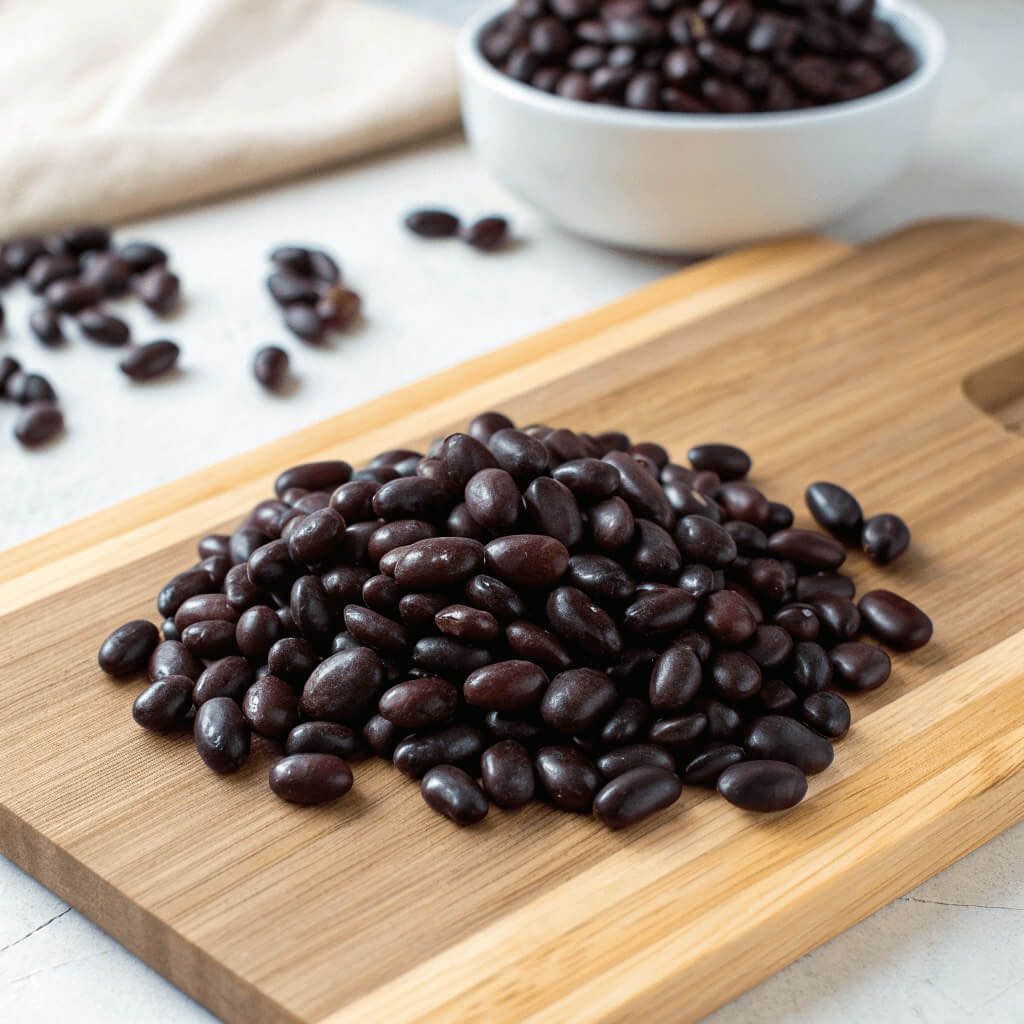
Black beans punch above their weight for a baby's plate: real plant-based iron, protein, and fiber in one small, budget-friendly food. That combination is rare outside meat and dairy, which makes them a genuinely useful staple rather than just a side dish. Iron matters especially around this age, since babies' natural iron stores start running low by six months.
Cooked until soft, black beans turn creamy with a mild, slightly sweet, earthy flavor that most babies accept easily, especially mixed with sweet potato or squash. Pairing them with a vitamin C food, like tomato or bell pepper, helps the body absorb more of that plant-based iron. Canned beans work fine once rinsed to cut the sodium, while dried beans take more time but give a better texture.
Black beans aren't a common allergen, though like other legumes they can cause some gas while your baby's gut adjusts. Start with a small spoonful and see how they do before offering more. Beyond purees, mashed beans spread nicely on toast or mix into rice for a fuller meal.
Black Beans Baby Food: How to Prepare It
Puree from 6+ Months
Cook black beans until very soft and falling apart. Rinse canned beans thoroughly if using. Blend with water, breast milk, or formula into smooth, creamy consistency. Mix with sweet potato or avocado for added creaminess and nutrition.
BLW from 6+ Months
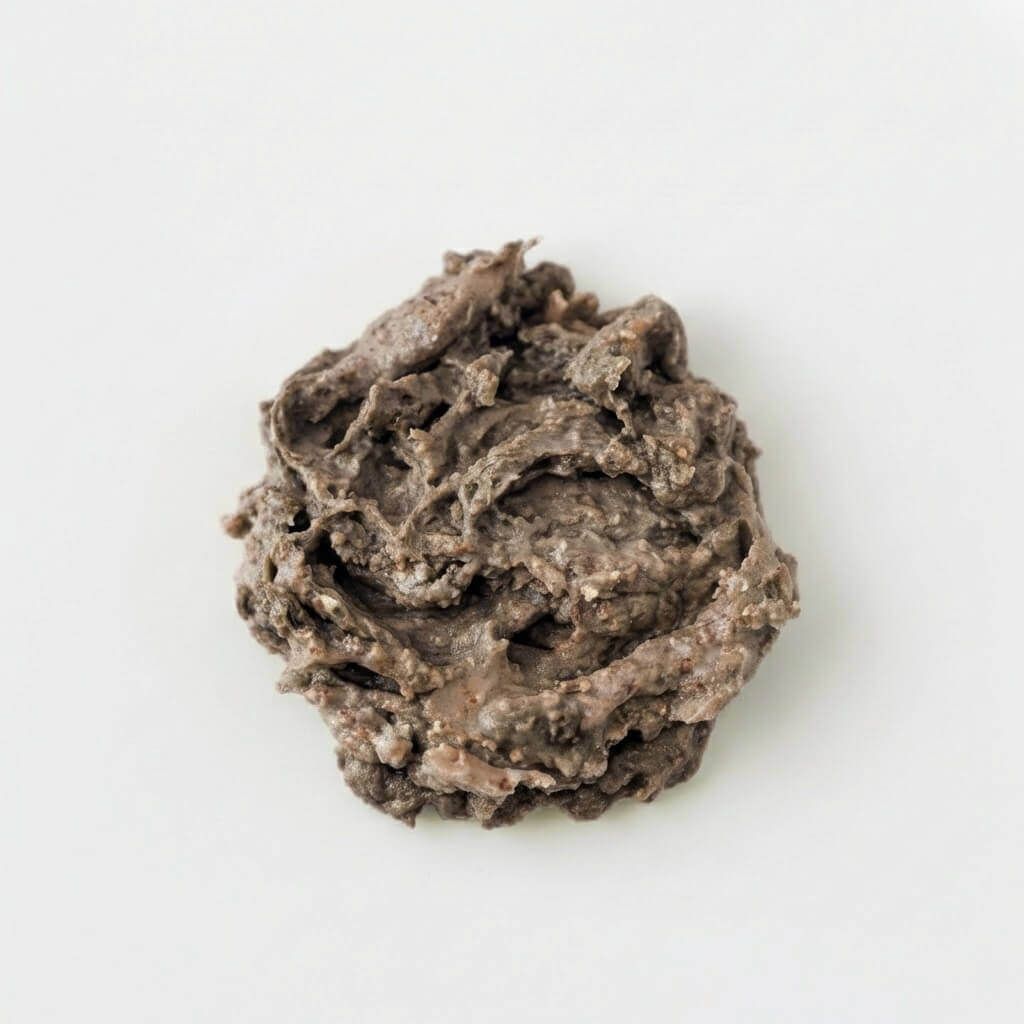
Offer thoroughly mashed black beans with slightly chunky texture or spread on soft toast strips for easy self-feeding practice. The creamy texture sticks together well for scooping.
BLW from 9+ Months
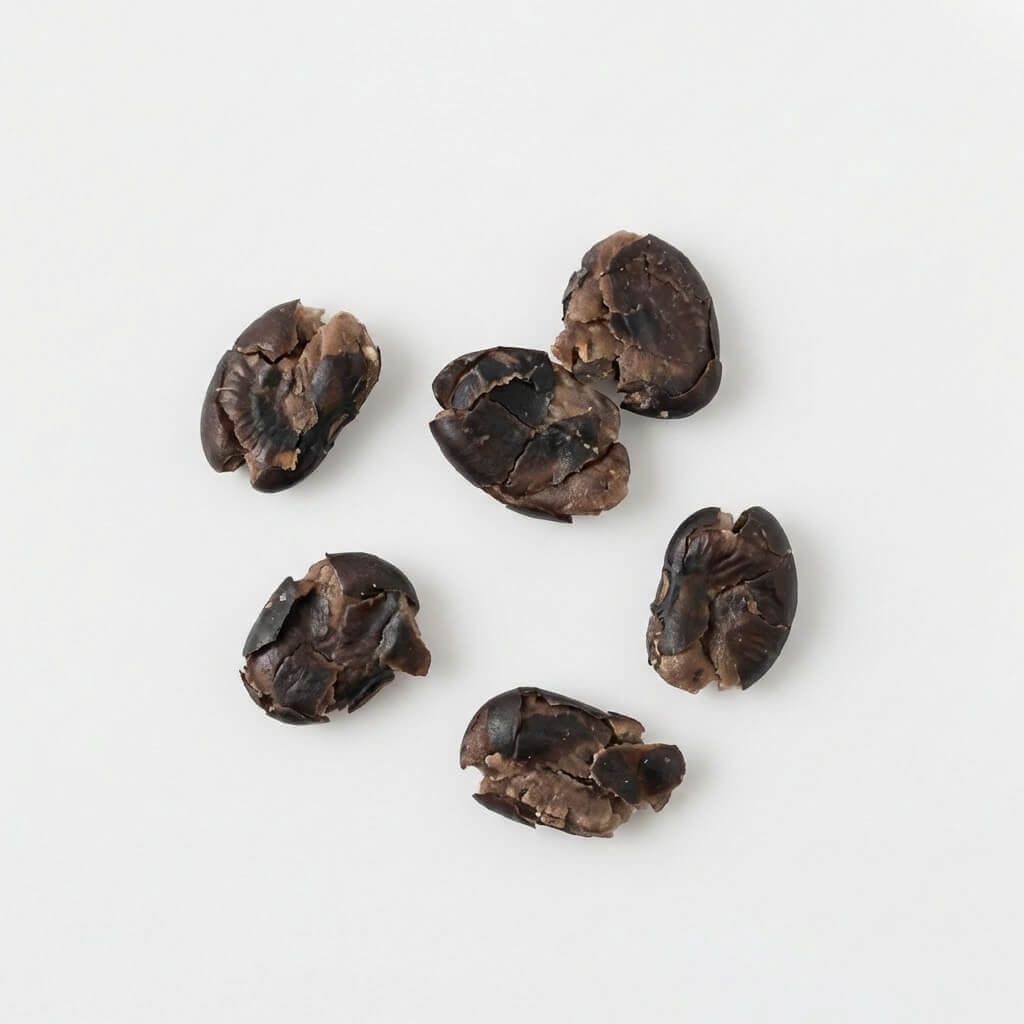
Serve whole, very soft-cooked beans lightly flattened between fingers for pincer grasp development. Mix into rice, quinoa, or soft vegetables for complete meals and texture variety.
BLW from 12+ Months
Mix black beans into family dishes like rice bowls, soft tacos, quesadillas, or soups. Season with mild spices like cumin for flavor. Encourage independent utensil use for scooping practice.
Nutritional Benefits
Black beans offer excellent plant-based protein, iron, and fiber that build strength, prevent anemia, and support healthy digestion. Mild flavor pairs well with sweet vegetables.
Key Nutrients
Iron
Supports healthy blood and brain function.
Protein
Essential for tissue repair and muscle development.
Fiber
Promotes gut health and prevents constipation.
Magnesium
Supports strong bones and muscles.
Folate
Aids in cell growth and brain development.
Allergen & Choking Information
Not a Common Allergen
Beans are not common allergens but can cause mild gas in some babies. Introduce small amounts initially. Always cook until very soft and mash or flatten to reduce choking risk.
Frequently Asked Questions
When can babies eat Black Beans?
Around 6 months (when cooked until soft)
How do I prepare Black Beans puree for my baby?
Cook black beans until very soft and falling apart. Rinse canned beans thoroughly if using. Blend with water, breast milk, or formula into smooth, creamy consistency. Mix with sweet potato or avocado for added creaminess and nutrition.
What are the nutritional benefits of Black Beans?
Black beans offer excellent plant-based protein, iron, and fiber that build strength, prevent anemia, and support healthy digestion. Mild flavor pairs well with sweet vegetables.
Sources & Related Resources
Get Personalized Guidance for Every Feeding Stage
Download the Grubsy app to track meals, get tailored recommendations, and explore foods like Black Beans plus hundreds more, all in one place.
Disclaimer: This information is for educational purposes only and does not replace professional medical advice.