Bell Pepper for Babies
Baby Food Guide from 6 Months
Puree
6+
Months
BLW
6+
Months
Choking Hazard
Low
Allergen
No
Key Nutrients
Vitamin C • Vitamin A • Vitamin B6
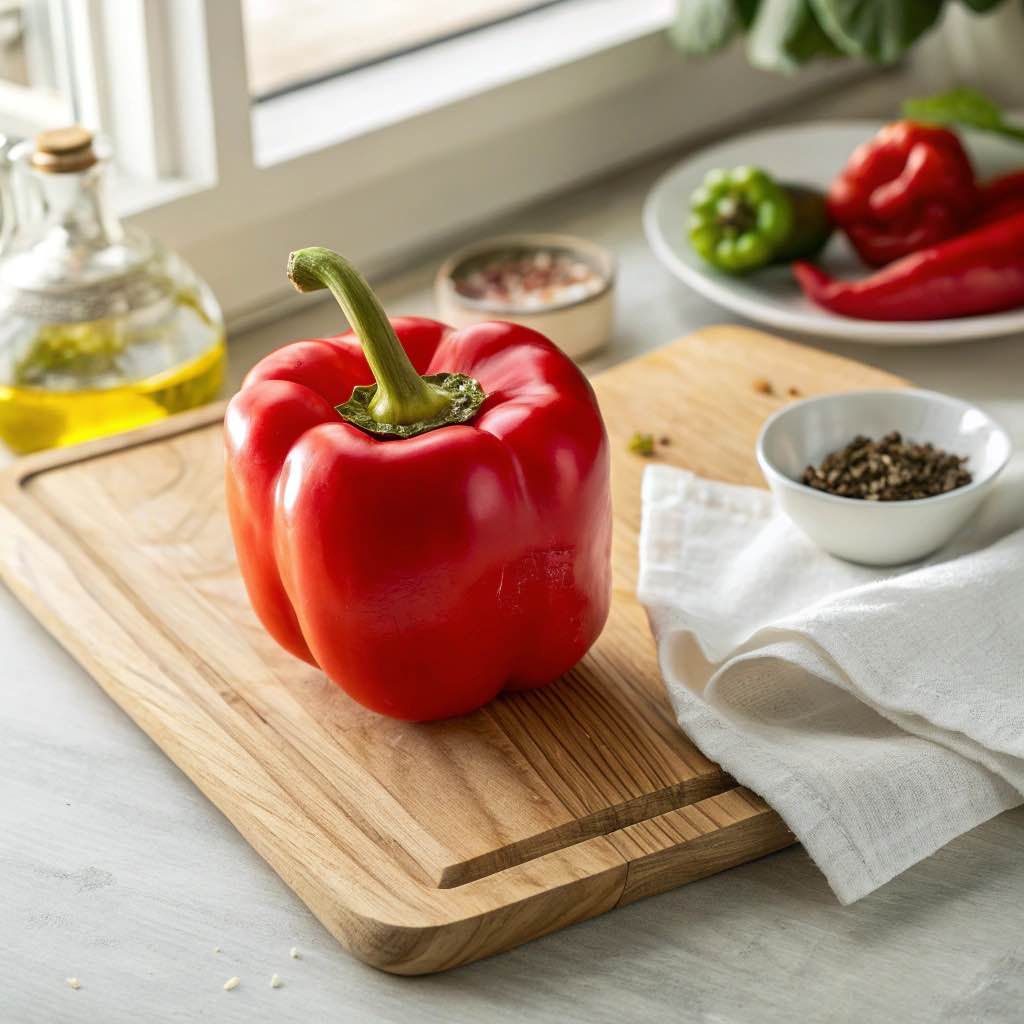
Can Babies Eat Bell Pepper?
Bell pepper brings color and a genuine nutritional surprise: a red pepper can pack close to three times an adult's daily vitamin C in a single serving, more than an orange. That matters beyond immunity too, since vitamin C helps a baby's body absorb iron from other foods eaten at the same meal.
Color also predicts taste. Red, yellow, and orange peppers turn sweet and almost creamy when roasted or steamed soft, while green peppers, which are simply less ripe, stay more bitter. Bell pepper also contributes vitamin A for eyesight and immune health and vitamin B6 for brain development, along with a naturally high water content. Raw pepper is crunchy and genuinely difficult for a baby to manage, so cooking it soft is what makes it workable as an early food.
Bell pepper isn't a common allergen, despite belonging to the nightshade family. The seeds and white membrane inside should always come out first, since babies can't digest them.
Bell Pepper Baby Food: How to Prepare It
Puree from 6+ Months
Roast or steam until very soft, then blend smooth. Combine with other vegetables.
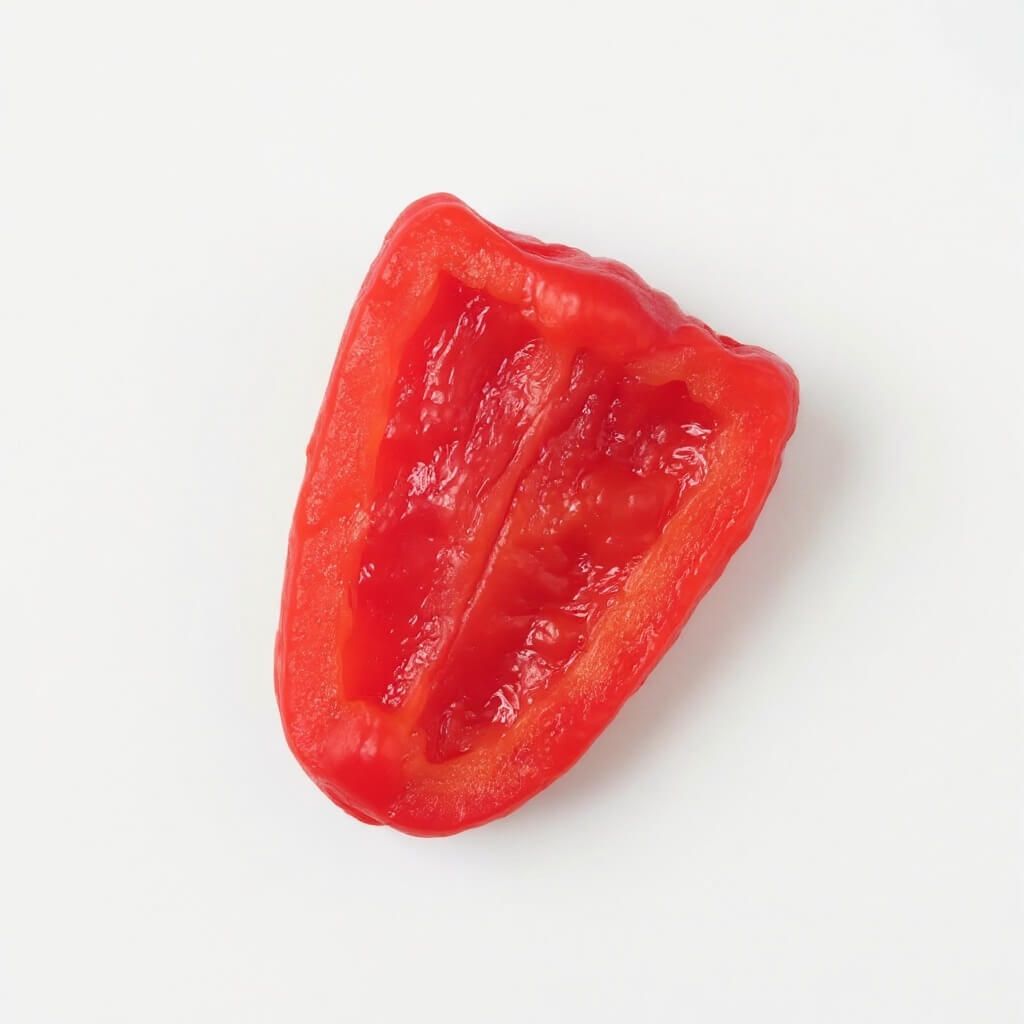
BLW from 6+ Months
Roasted pepper half with seeds and stem removed.
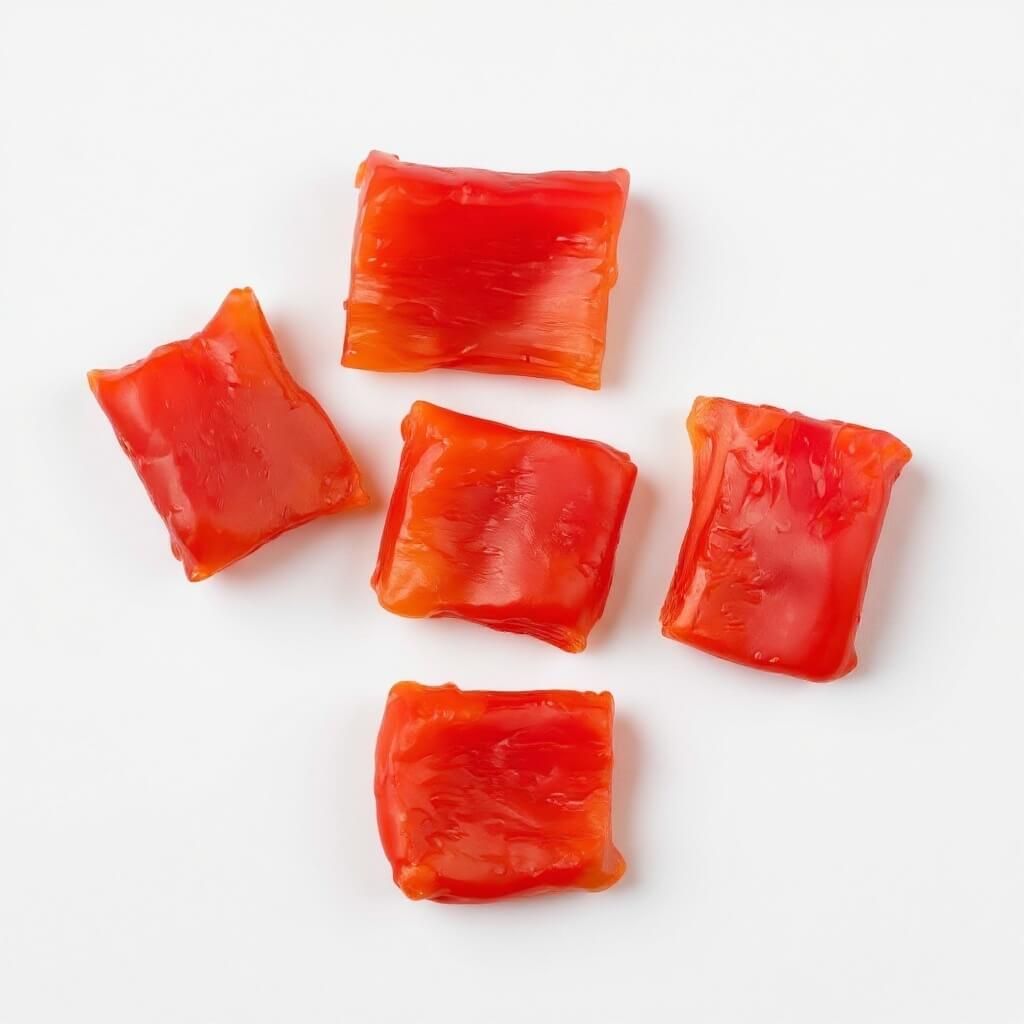
BLW from 9+ Months
Cooked pepper strips or small soft pieces.
Nutritional Benefits
Bell peppers provide exceptional vitamin C, vibrant colors, and sweet flavor when cooked that supports immune health while introducing babies to diverse vegetable tastes.
Key Nutrients
Vitamin C
Exceptional immune support and helps absorb iron from plant foods.
Vitamin A
Supports vision, immune function, and healthy skin development.
Vitamin B6
Supports brain development and nervous system function.
Antioxidants
Protect cells from damage and support overall health.
Folate
Essential for cell growth and brain development.
Allergen & Choking Information
Not a Common Allergen
Bell peppers are not a common allergen. Always cook until very soft for younger babies. Remove all seeds and membranes. Raw peppers only for older toddlers.
Frequently Asked Questions
When can babies eat Bell Peppers?
Around 6 months (when roasted soft)
How do I prepare Bell Peppers puree for my baby?
Roast or steam until very soft, then blend smooth. Combine with other vegetables.
What are the nutritional benefits of Bell Peppers?
Bell peppers provide exceptional vitamin C, vibrant colors, and sweet flavor when cooked that supports immune health while introducing babies to diverse vegetable tastes.
Sources & Related Resources
Get Personalized Guidance for Every Feeding Stage
Download the Grubsy app to track meals, get tailored recommendations, and explore foods like Bell Pepper plus hundreds more, all in one place.
Disclaimer: This information is for educational purposes only and does not replace professional medical advice.