Beet for Babies
Baby Food Guide from 9 Months
Puree
9+
Months
Choking Hazard
Low
Allergen
No
Key Nutrients
Folate • Manganese • Potassium
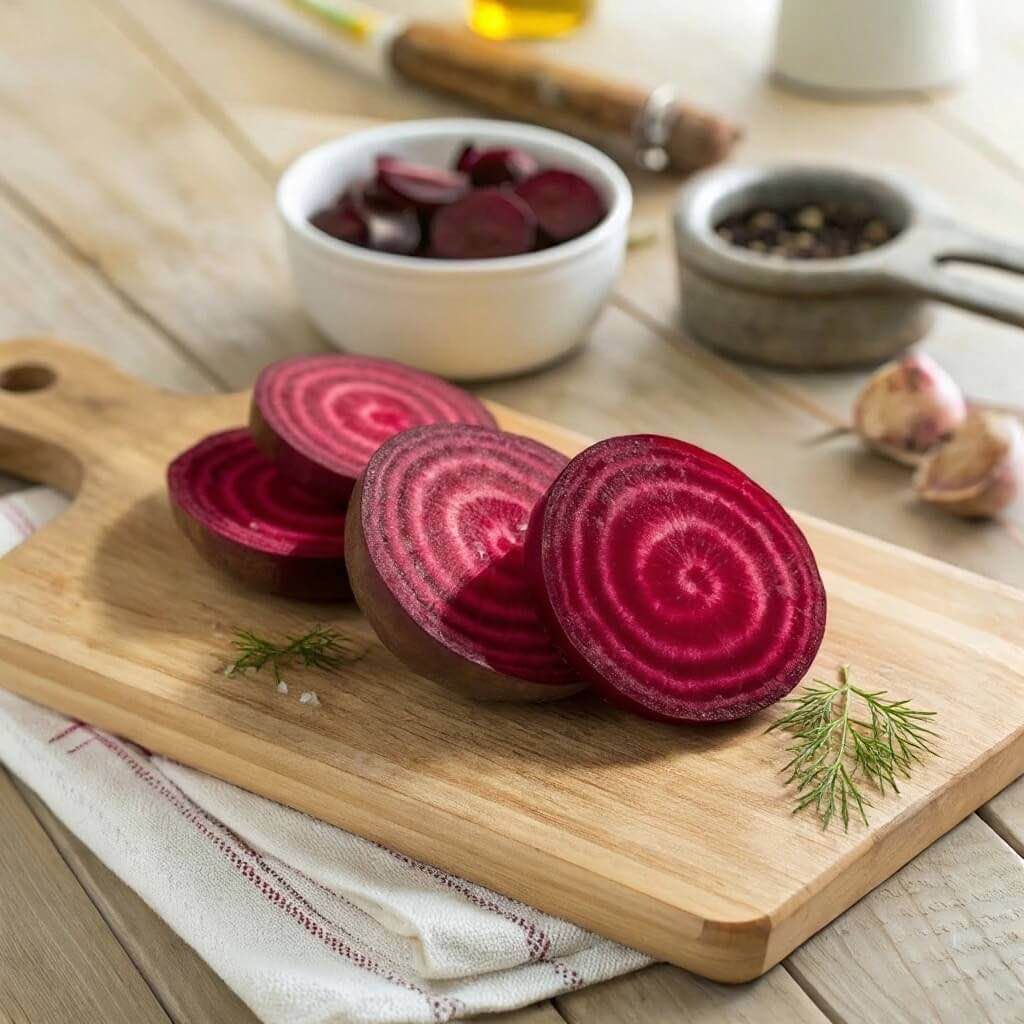
Can Babies Eat Beet?
Beet is a root vegetable that's hard to miss, both for its deep red color and its distinctly earthy sweetness once cooked completely soft. Many babies need a few tries before warming up to that flavor, since it's less immediately sweet than carrot or sweet potato. Because beet needs to be genuinely soft before it's safe to serve, most families wait until around 9 months to introduce it, a little later than many other first vegetables.
It's a strong source of folate, manganese, and potassium, and the natural plant pigments that give beet its color, called betalains, act as antioxidants. Beet also contains natural nitrates that support healthy blood flow, and its greens are edible too, with their own nutritional value if you cook them separately. Look for beets that feel firm and heavy with smooth, unblemished skin. One thing worth knowing ahead of time: beet can turn urine or stool pink or red for a day or two afterward, which looks alarming the first time but is completely harmless.
Beet Baby Food: How to Prepare It
Puree from 9+ Months
Steam or roast beets until very tender, then puree smooth. Mix with sweeter vegetables like sweet potato or carrot to balance the earthy flavor.
BLW from 9+ Months
Thin slices or small chunks of soft cooked beet. Expect red-tinted stool—completely normal.
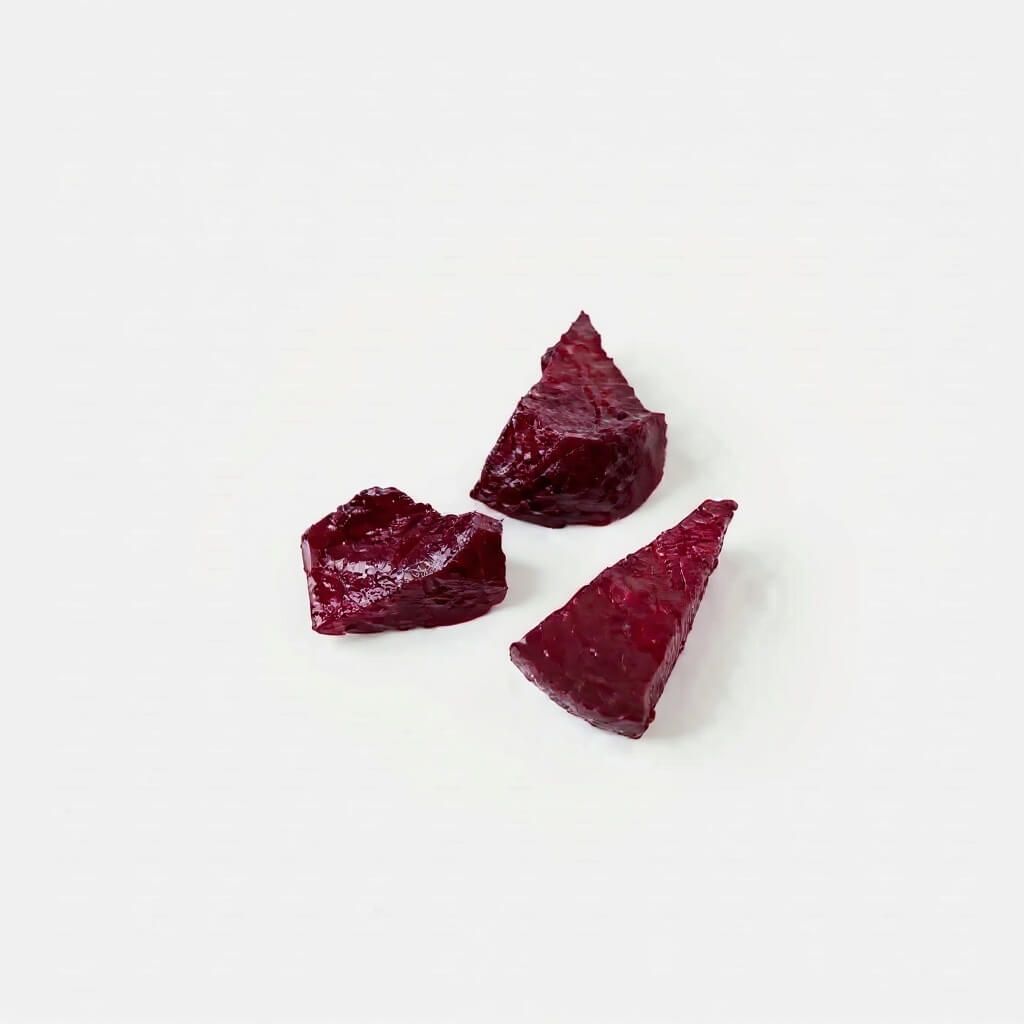
BLW from 12+ Months
Halved or in small pieces. Add to grain bowls, salads, or soups. Load onto fork for practice.
Nutritional Benefits
Beets deliver folate, manganese, and powerful antioxidants while introducing babies to earthy flavors and supporting blood health, brain development, and overall growth.
Key Nutrients
Folate
Supports cell growth, brain development, and DNA formation.
Manganese
Essential for bone formation and metabolism.
Potassium
Supports heart health and muscle function.
Iron
Promotes blood building and oxygen transport.
Betalains
Powerful antioxidants with anti-inflammatory properties.
Allergen & Choking Information
Not a Common Allergen
Beets are not a common allergen. Always cook until very soft. May cause harmless red-tinted urine or stool. Keep portions small before 12 months. Thin slices or small chunks safer than large pieces.
Frequently Asked Questions
When can babies eat Beets?
Around 9 months (when cooked very soft)
How do I prepare Beets puree for my baby?
Steam or roast beets until very tender, then puree smooth. Mix with sweeter vegetables like sweet potato or carrot to balance the earthy flavor.
What are the nutritional benefits of Beets?
Beets deliver folate, manganese, and powerful antioxidants while introducing babies to earthy flavors and supporting blood health, brain development, and overall growth.
Sources & Related Resources
Get Personalized Guidance for Every Feeding Stage
Download the Grubsy app to track meals, get tailored recommendations, and explore foods like Beet plus hundreds more, all in one place.
Disclaimer: This information is for educational purposes only and does not replace professional medical advice.