Avocado for Babies
Baby Food Guide from 6 Months
Puree
6+
Months
BLW
6+
Months
Choking Hazard
Low
Allergen
No
Key Nutrients
Monounsaturated Fats • Vitamin E • Folate
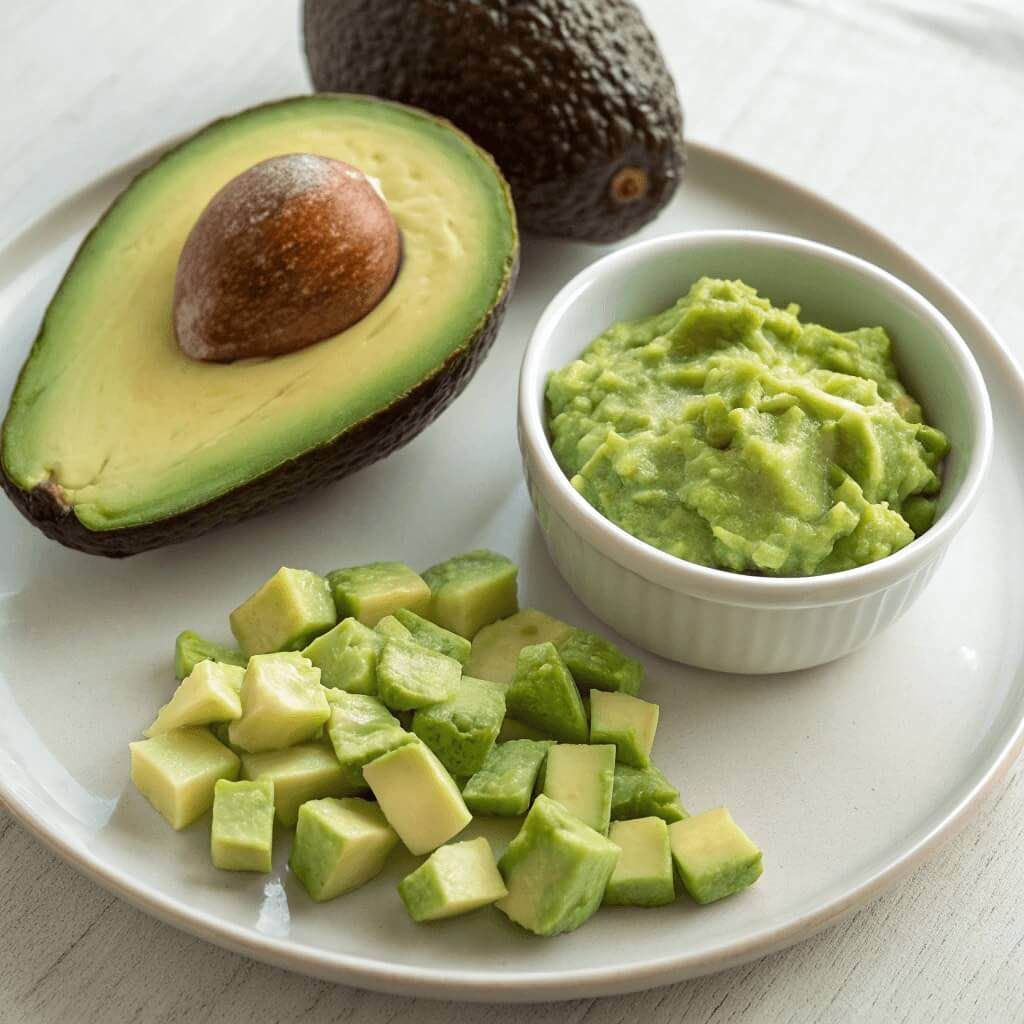
Can Babies Eat Avocado?
Avocado might be the lowest-effort first food there is. No cooking, no blending equipment required, just a ripe fruit mashed with a fork or cut into a soft spear. That convenience comes with real nutritional weight: avocado is rich in the same monounsaturated fats found in olive oil, which matter for a baby's rapidly developing brain in a way few other first foods can match. It's a big reason pediatricians so often recommend it as a starting point.
Its mild flavor and creamy texture work equally well for purees and baby-led weaning, and it pairs easily with almost anything else on the plate, fruit or vegetable. Its gentle consistency also tends to sit well with a young digestive system, and it offers folate and fiber alongside those healthy fats. Allergic reactions are extremely rare.
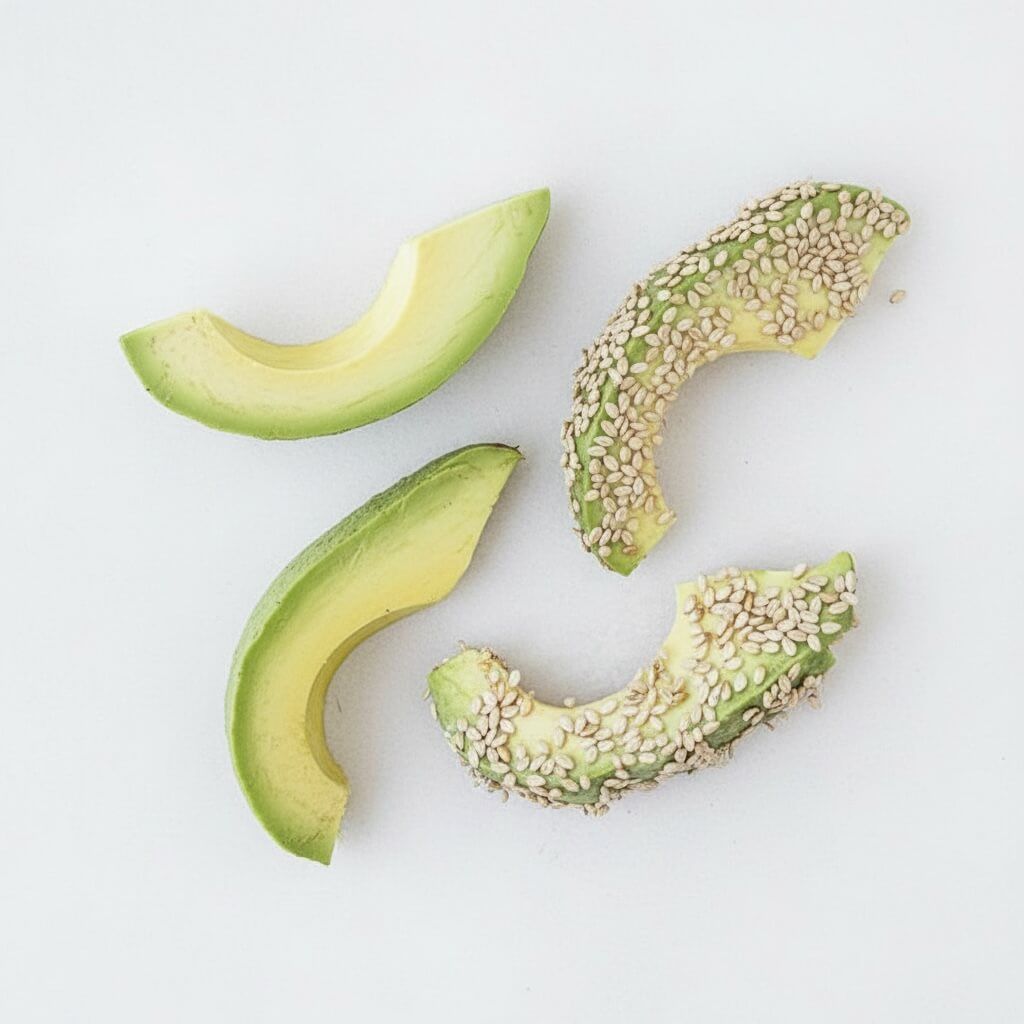
The main practical challenge isn't safety, it's grip. Ripe avocado can be slippery in small hands, so rolling a spear in a little baby cereal, coconut, or hemp seeds gives it something to hold onto.
Avocado Baby Food: How to Prepare It
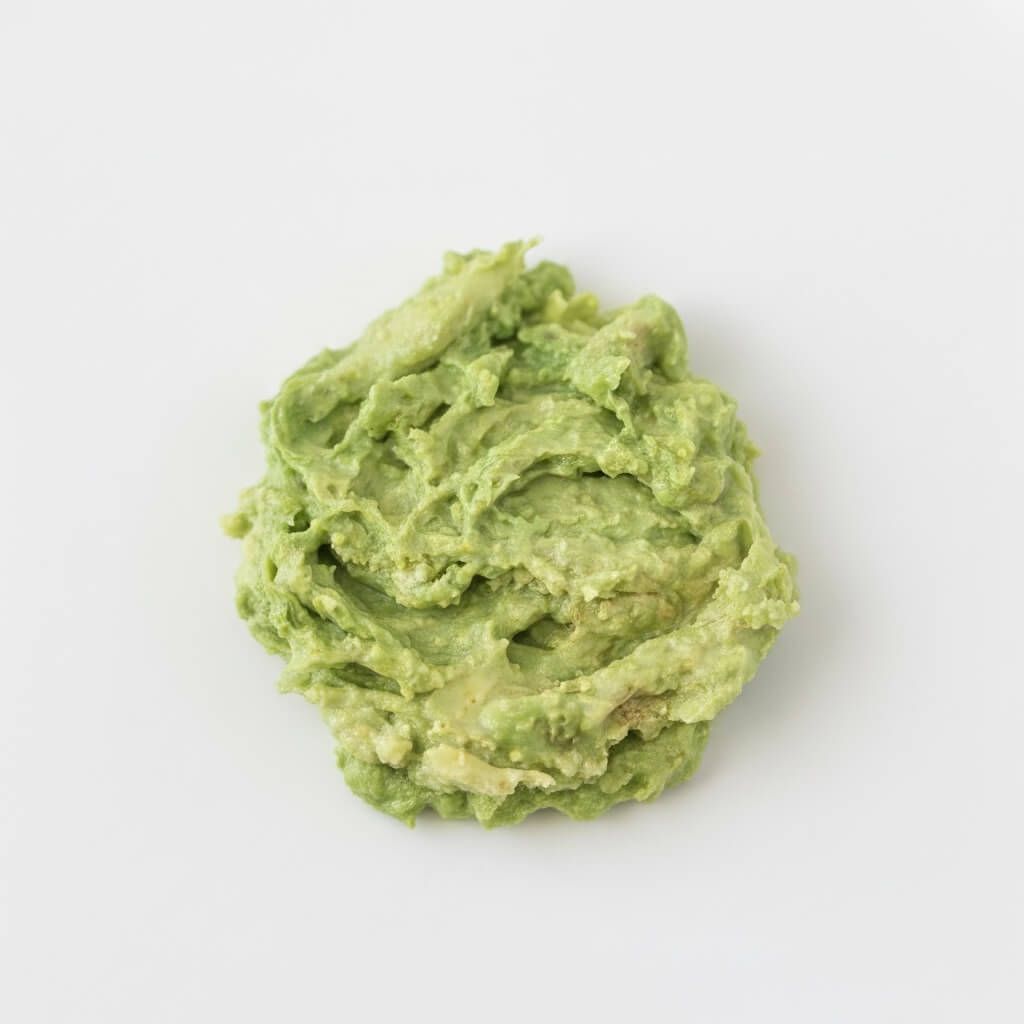
Puree from 6+ Months
Mash ripe avocado with breast milk, formula, or water until smooth. You can mix with other fruits or vegetables for variety.
BLW from 6+ Months
Offer large halves or thick spears of ripe, soft avocado with the pit and skin removed. If too slippery, roll in hemp seeds or coconut. If you want spoon practice, mashed avocado is great for self-feeding.
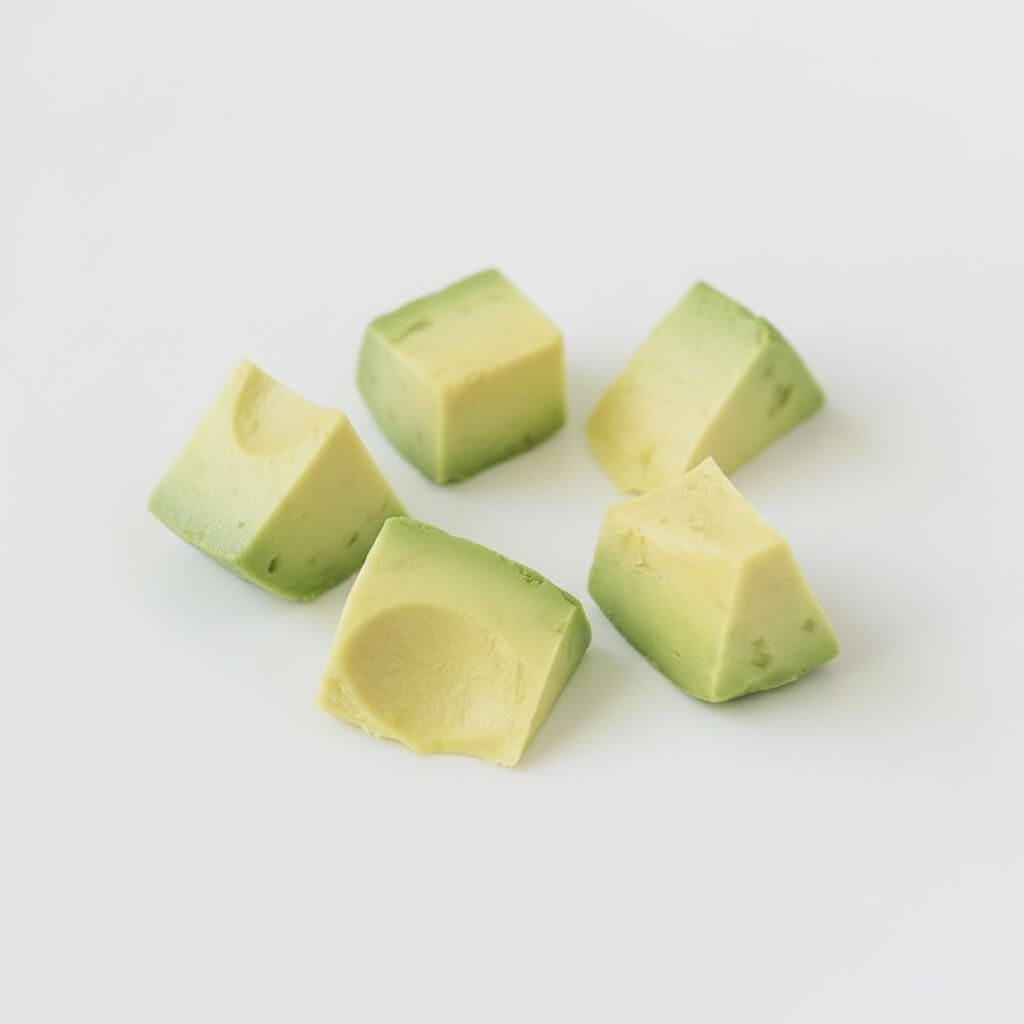
BLW from 9+ Months
Cut avocado into small bite-sized pieces as pincer grasp develops. You can continue offering large spears if needed for grasping practice.
BLW from 12+ Months
Serve in any form - spears, bite-sized pieces, mashed, or offer a ripe avocado half in the skin for scooping practice with a spoon.
Nutritional Benefits
Avocados are energy-dense and full of healthy fats and micronutrients, helping support brain, skin, and muscle development during infancy. The monounsaturated fats aid in absorbing fat-soluble vitamins and provide sustained energy without blood sugar spikes.
Key Nutrients
Monounsaturated Fats
Provide essential energy and support brain development.
Vitamin E
Promotes skin health and acts as a natural antioxidant.
Folate
Supports cell growth and neurological development.
Potassium
Helps maintain proper muscle function and hydration.
Fiber
Aids digestion and supports gut health.
Allergen & Choking Information
Not a Common Allergen
Avocado allergies are extremely rare. Choking risk is minimal when avocado is ripe and offered in age-appropriate sizes. If slippery, lightly coat slices with baby cereal, coconut, or hemp seeds for better grip.
Frequently Asked Questions
When can babies eat Avocado?
Around 6 months (when baby shows signs of readiness for solids)
How do I prepare Avocado puree for my baby?
Mash ripe avocado with breast milk, formula, or water until smooth. You can mix with other fruits or vegetables for variety.
What are the nutritional benefits of Avocado?
Avocados are energy-dense and full of healthy fats and micronutrients, helping support brain, skin, and muscle development during infancy. The monounsaturated fats aid in absorbing fat-soluble vitamins and provide sustained energy without blood sugar spikes.
Sources & Related Resources
Get Personalized Guidance for Every Feeding Stage
Download the Grubsy app to track meals, get tailored recommendations, and explore foods like Avocado plus hundreds more, all in one place.
Disclaimer: This information is for educational purposes only and does not replace professional medical advice.