Asparagus for Babies
Baby Food Guide from 6 Months
Puree
6+
Months
BLW
6+
Months
Choking Hazard
Moderate
Allergen
No
Key Nutrients
Folate • Vitamin K • Vitamin C
Can Babies Eat Asparagus?
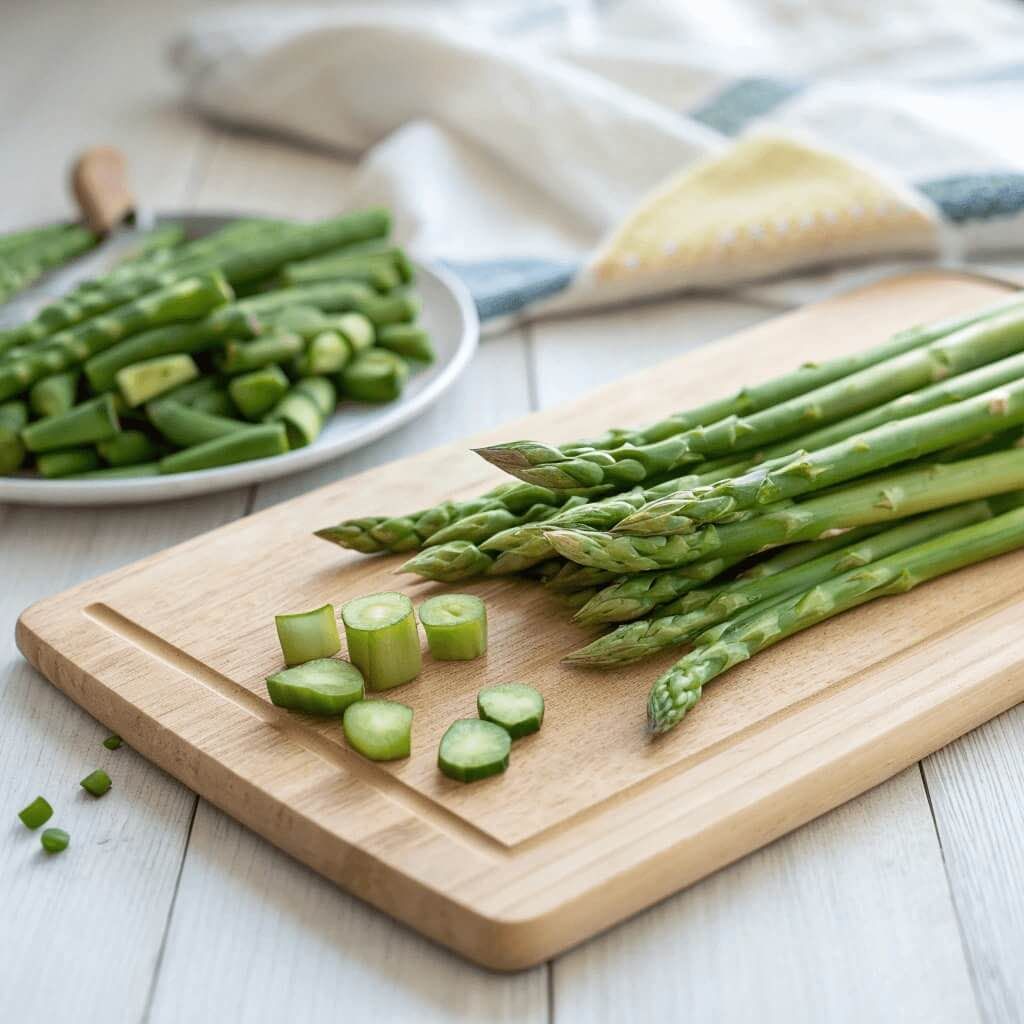
Asparagus is a spring vegetable that turns delicate and slightly sweet once it's properly cooked, giving babies an early taste of a more grown-up, earthy flavor instead of just sweet purees. Fresh spears are best in spring, but frozen asparagus works just as well the rest of the year. Its spear shape, with a naturally soft tip, also makes it an easy one for little hands to hold during baby-led weaning, no cutting required. It isn't a common allergen, though the woody outer skin on thicker spears should always be cooked through or removed before serving.
Nutritionally it's a strong source of folate, vitamin K, vitamin C, and iron, and cooking it soft also breaks down the fibrous outer layer that would otherwise be tough to manage. Offering earthier vegetables like this early on, alongside the sweeter ones, is one of the simpler ways to build a wider palate over time. One harmless quirk worth knowing: asparagus can make urine smell distinctly different a little while after eating. It's completely normal and nothing to worry about.
Asparagus Baby Food: How to Prepare It
Puree from 6+ Months
Cook asparagus until very tender, then puree until smooth. Can mix with other vegetables for variety.
BLW from 6+ Months
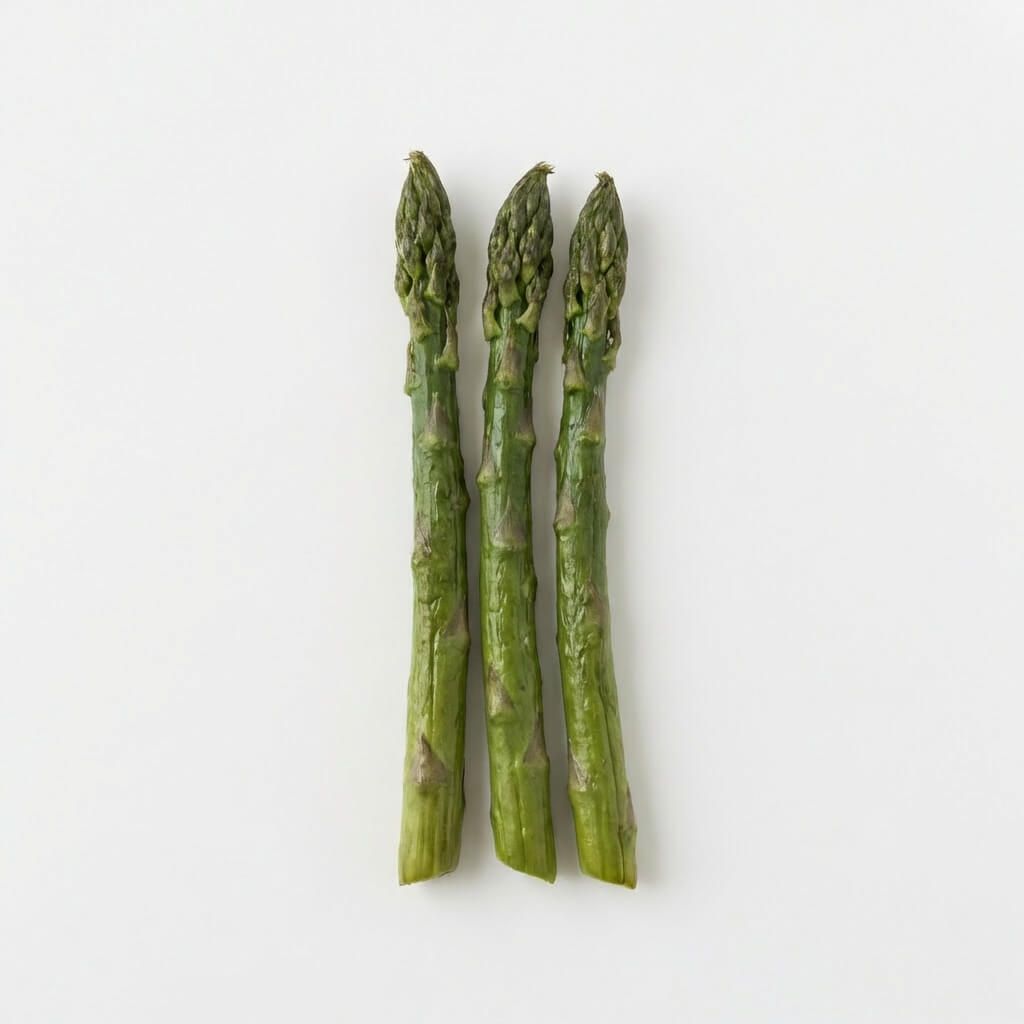
Whole cooked or grilled spears until soft work well. Can slice lengthwise and chop into scoopable foods for variety.
BLW from 9+ Months
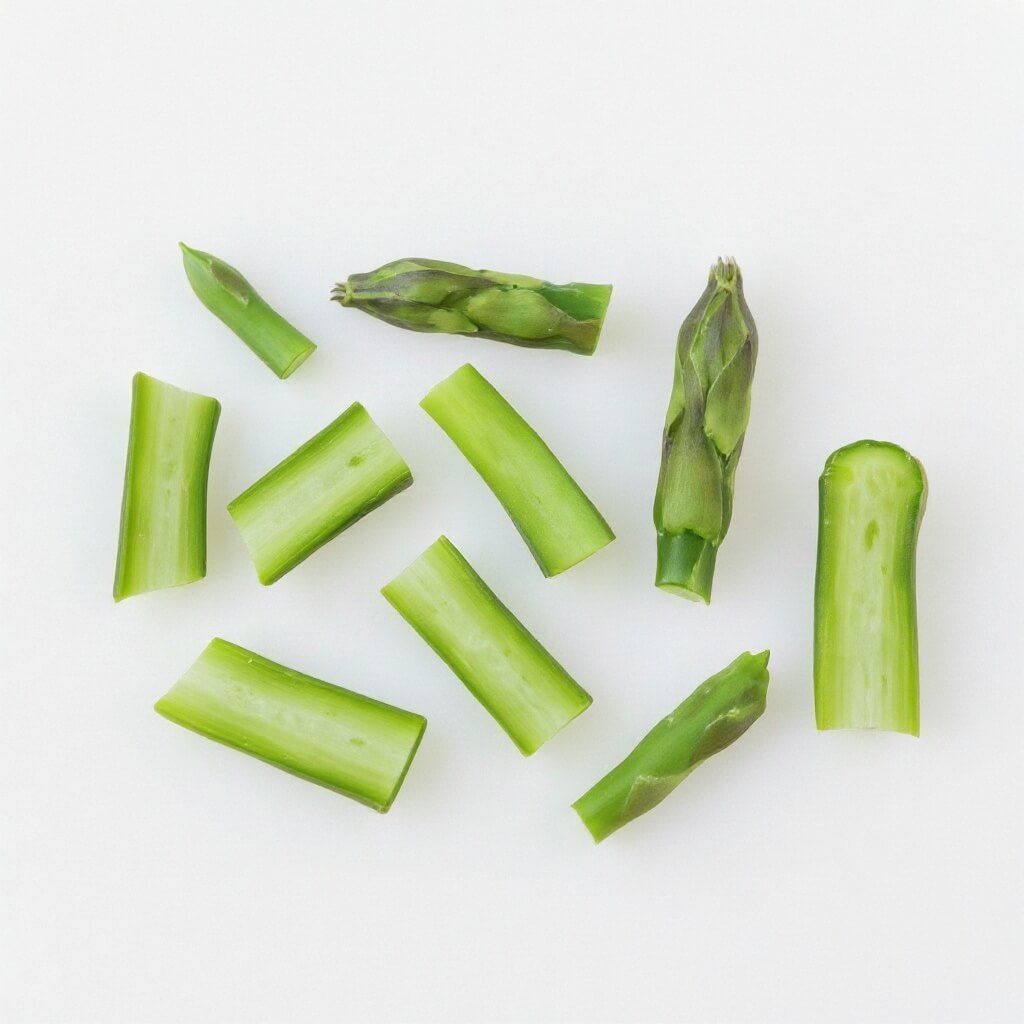
Chopped or minced asparagus cut lengthwise first (so it's no longer round) then chopped. Continue offering large spears for practice.
BLW from 12+ Months
Whole spears to teach biting and chewing, or chopped asparagus in family meals.
Nutritional Benefits
Asparagus provides exceptional folate, vitamins K and C, and fiber supporting healthy cell growth, digestion, and immune development. Elegant shape perfect for baby-led weaning.
Key Nutrients
Folate
Supports healthy cell growth and tissue development.
Vitamin K
Aids bone health and blood clotting.
Vitamin C
Boosts immune function and helps iron absorption.
Fiber
Promotes healthy digestion.
Iron
Supports brain and red blood cell development.
Allergen & Choking Information
Not a Common Allergen
Asparagus is not a common allergen, but fibrous stems should be cooked until very tender. Cut thick spears lengthwise or remove woody outer layer to prevent choking hazards.
Frequently Asked Questions
When can babies eat Asparagus?
Around 6 months (fully cooked until soft)
How do I prepare Asparagus puree for my baby?
Cook asparagus until very tender, then puree until smooth. Can mix with other vegetables for variety.
What are the nutritional benefits of Asparagus?
Asparagus provides exceptional folate, vitamins K and C, and fiber supporting healthy cell growth, digestion, and immune development. Elegant shape perfect for baby-led weaning.
Sources & Related Resources
Get Personalized Guidance for Every Feeding Stage
Download the Grubsy app to track meals, get tailored recommendations, and explore foods like Asparagus plus hundreds more, all in one place.
Disclaimer: This information is for educational purposes only and does not replace professional medical advice.