Apricot for Babies
Baby Food Guide from 6 Months
Puree
6+
Months
BLW
6+
Months
Choking Hazard
Moderate (Low once fully ripe, pitted, and soft)
Allergen
No
Key Nutrients
Vitamin A (Beta-Carotene) • Vitamin C • Fiber
Can Babies Eat Apricot?
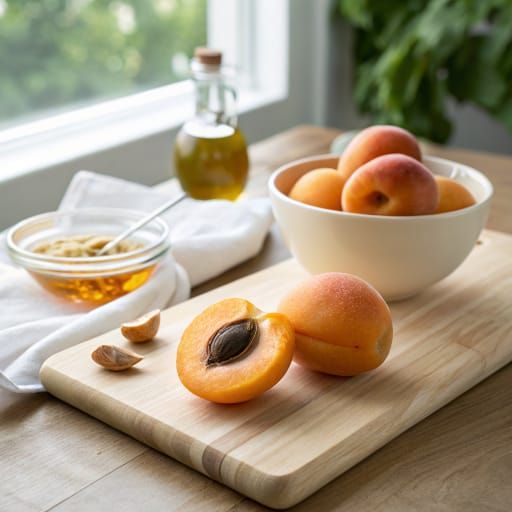
Apricots are small, velvety stone fruits with a flavor that sits between sweet and gently tart, related to peaches and plums but easier to manage as a first fruit since they're smaller and softer once ripe. Their vivid orange color comes from beta-carotene, which the body turns into vitamin A for eyes, skin, and immune health, alongside vitamin C, fiber, and potassium.
Ripeness matters more here than with most fruits. A firm, underripe apricot is slippery and hard to mash with gums, which raises the choking risk, so the fruit should yield to gentle pressure before it's served, and the pit always has to come out first. A quick, gentle stew softens fruit that isn't quite there yet. Apricot isn't a common allergen.
Fresh apricots have a short summer season, so frozen or well-drained canned apricots packed in juice make a reasonable stand-in the rest of the year. Dried apricots are worth saving for toddlers who chew reliably, since they're chewier and stickier than fresh. Either way, apricot pairs naturally with yogurt, oatmeal, or a pinch of cinnamon.
Apricot Baby Food: How to Prepare It
Puree from 6+ Months
Mash a very ripe, pitted apricot until smooth, or blend it on its own. Stir into porridge or yogurt for extra flavor. If the fruit isn't fully ripe, stew it gently first to soften before mashing.
BLW from 6+ Months
Offer a very ripe apricot half with the pit removed and the skin left on so baby has something to grip. Alternatively, mash the flesh and mix it into porridge or yogurt.
BLW from 9+ Months
Cut soft, ripe apricot into thin slices to support finger feeding. Keep offering halves alongside if baby isn't picking up the slices yet.
BLW from 12+ Months
Serve halved or sliced ripe apricot, and help baby learn to manage a whole half in the mouth. Preloading a fork with soft, bite sized pieces also works well for utensil practice.
Nutritional Benefits
Ripe apricots provide beta-carotene, vitamin C, and fiber that support vision, immunity, and healthy digestion in a naturally gentle, easy to love first fruit.
Key Nutrients
Vitamin A (Beta-Carotene)
Supports healthy eyes, skin, and immune function.
Vitamin C
Boosts immunity and helps the body absorb iron from other foods.
Fiber
Supports steady digestion and eases constipation.
Potassium
Supports healthy fluid balance and muscle function.
Antioxidants
Help protect developing cells from oxidative stress.
Allergen & Choking Information
Not a Common Allergen
Apricot is not a common allergen. The main risk is choking: always remove the pit and choose fully ripe, soft fruit, since firm or underripe pieces can be slippery and hard to gum.
Frequently Asked Questions
When can babies eat Apricots?
Around 6 months (as ripe, mashed puree or a soft half)
How do I prepare Apricots puree for my baby?
Mash a very ripe, pitted apricot until smooth, or blend it on its own. Stir into porridge or yogurt for extra flavor. If the fruit isn't fully ripe, stew it gently first to soften before mashing.
What are the nutritional benefits of Apricots?
Ripe apricots provide beta-carotene, vitamin C, and fiber that support vision, immunity, and healthy digestion in a naturally gentle, easy to love first fruit.
Sources & Related Resources
Get Personalized Guidance for Every Feeding Stage
Download the Grubsy app to track meals, get tailored recommendations, and explore foods like Apricot plus hundreds more, all in one place.
Disclaimer: This information is for educational purposes only and does not replace professional medical advice.