Apple for Babies
Baby Food Guide from 6 Months
Puree
6+
Months
BLW
6+
Months
Choking Hazard
High
Allergen
No
Key Nutrients
Vitamin C • Fiber • Antioxidants
Can Babies Eat Apple?
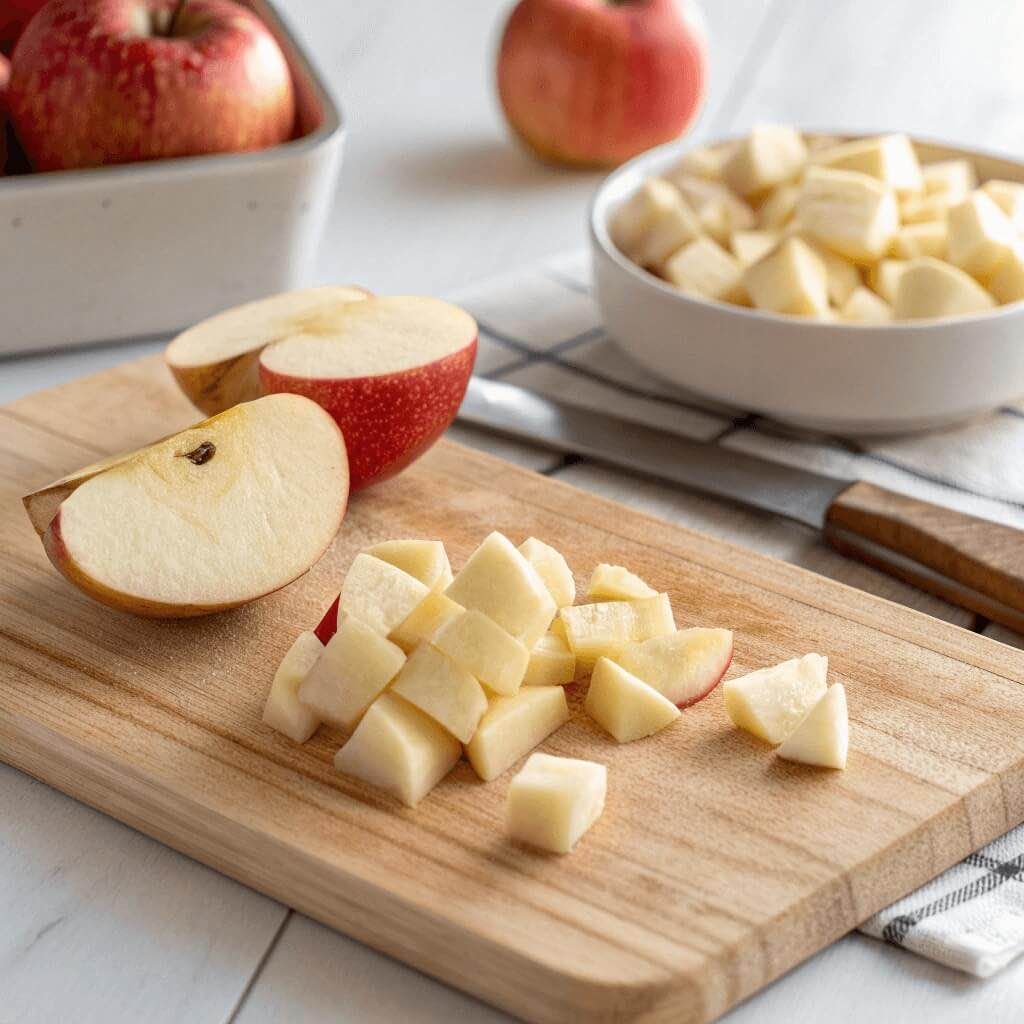
Apple is often a baby's very first taste of solid food, and it's easy to see why. Cooked until soft or grated fine, it turns silky and mild, with natural sweetness that needs no sugar added. Few first fruits are loved this widely across so many different cuisines. Different varieties taste different too, with Gala and Honeycrisp leaning sweet while tart Granny Smith can balance sweeter foods it's mixed into.
Apples are rich in fiber, including pectin, which can help firm up loose stools, plus vitamin C and antioxidants that support a growing immune system. That gentle, reliable sweetness is also why apple so often gets stirred into other new foods, from oatmeal to unfamiliar vegetables, to make them more appealing. Apples aren't a common allergen.
The one real catch is texture. Raw apple is hard and a genuine choking risk, so it needs to be cooked soft or grated finely until your baby is chewing with real confidence, generally well past the first birthday.
Apple Baby Food: How to Prepare It
Puree from 6+ Months
Peel, core, and steam or bake apple slices until very soft and easily mashable. Puree with a little water, breast milk, or formula until completely smooth. Serve warm or at room temperature.
BLW from 6+ Months
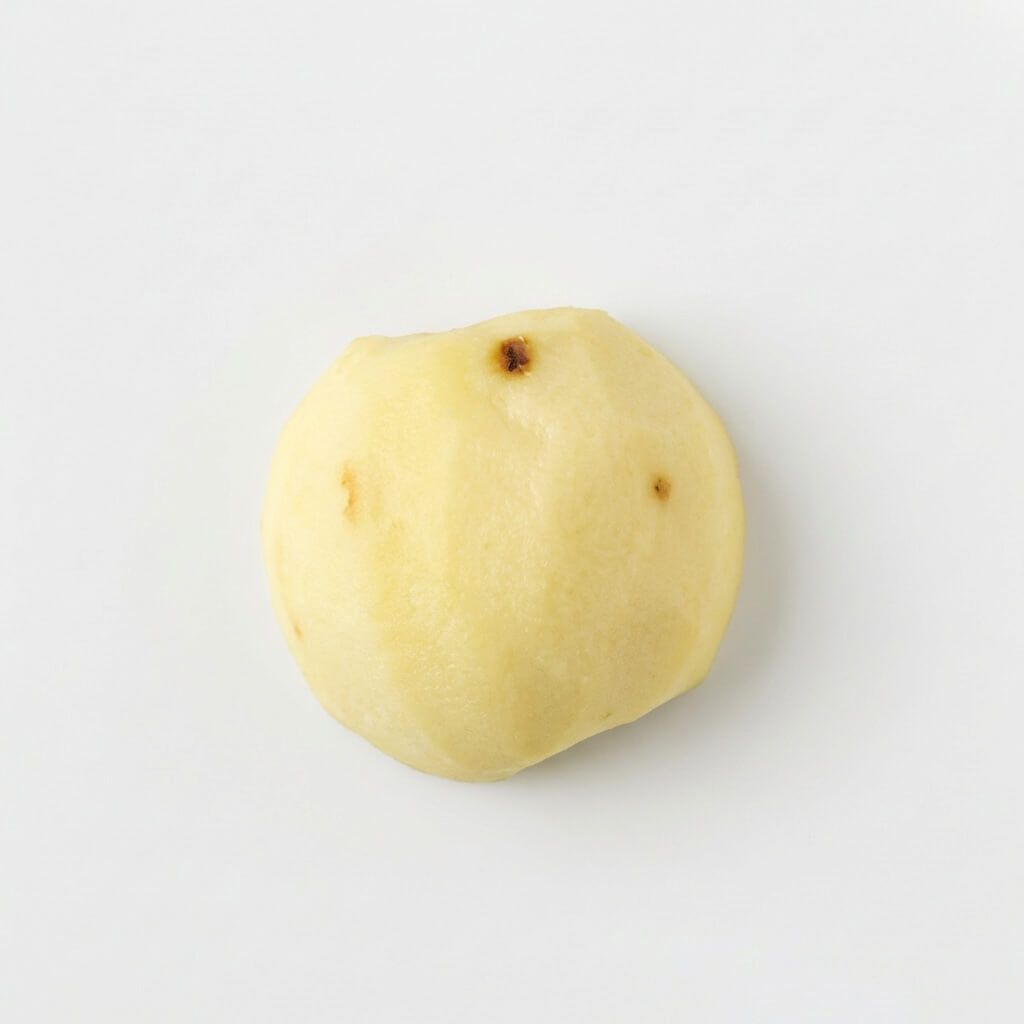
Offer mashed cooked apple or very finely grated raw apple (if ripe and soft). Combine with cooked oatmeal, yogurt, or other fruit purees for flavor variety and added nutrition.
BLW from 9+ Months
Serve soft, cooked apple wedges or finely grated raw apple for self-feeding practice. Avoid hard chunks that pose choking risks. Mix into foods like pancakes or muffins for variety.
BLW from 12+ Months
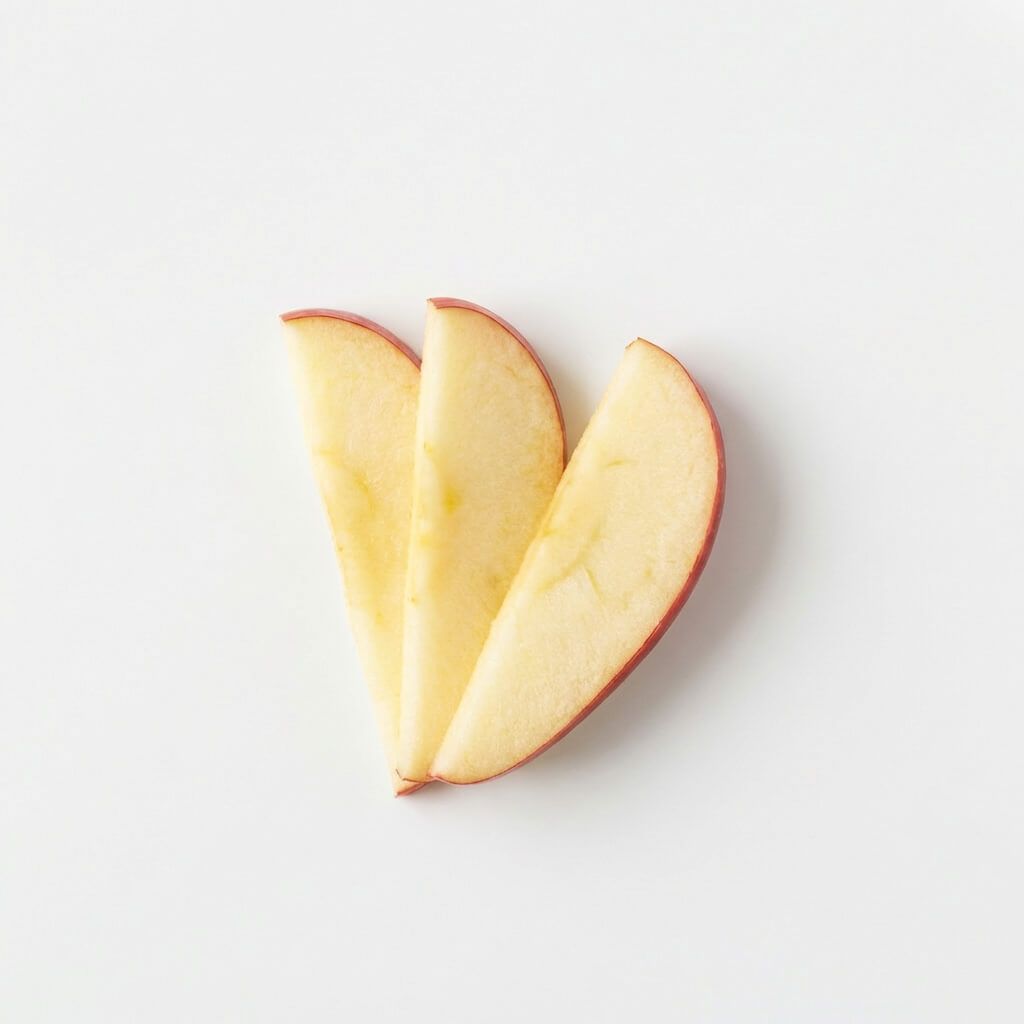
Offer peeled apple slices or small chunks only once baby demonstrates confident chewing skills around 12+ months. Encourage proper chewing and independent utensil use. Monitor closely while eating.
Nutritional Benefits
Apples are packed with fiber, vitamins, and antioxidants offering natural sweetness and digestive support. Versatile preparation methods adapt to every developmental stage from purees to finger foods.
Key Nutrients
Vitamin C
Boosts immunity and supports iron absorption.
Fiber
Promotes healthy digestion and bowel movement.
Antioxidants
Protect against cell damage.
Potassium
Supports muscle and heart function.
Natural Sugars
Provide quick energy for active growth.
Allergen & Choking Information
Not a Common Allergen
Apples are not common allergens, but raw apple pieces are serious choking hazards. Always cook until very soft or grate finely until baby demonstrates confident chewing around 12+ months.
Frequently Asked Questions
When can babies eat Apples?
Around 6 months (cooked or pureed)
How do I prepare Apples puree for my baby?
Peel, core, and steam or bake apple slices until very soft and easily mashable. Puree with a little water, breast milk, or formula until completely smooth. Serve warm or at room temperature.
What are the nutritional benefits of Apples?
Apples are packed with fiber, vitamins, and antioxidants offering natural sweetness and digestive support. Versatile preparation methods adapt to every developmental stage from purees to finger foods.
Sources & Related Resources
Get Personalized Guidance for Every Feeding Stage
Download the Grubsy app to track meals, get tailored recommendations, and explore foods like Apple plus hundreds more, all in one place.
Disclaimer: This information is for educational purposes only and does not replace professional medical advice.