Almond for Babies
Baby Food Guide from 6 Months
Puree
6+
Months
BLW
6+
Months
Choking Hazard
High
Allergen
Yes
Key Nutrients
Healthy Fats • Protein • Vitamin E
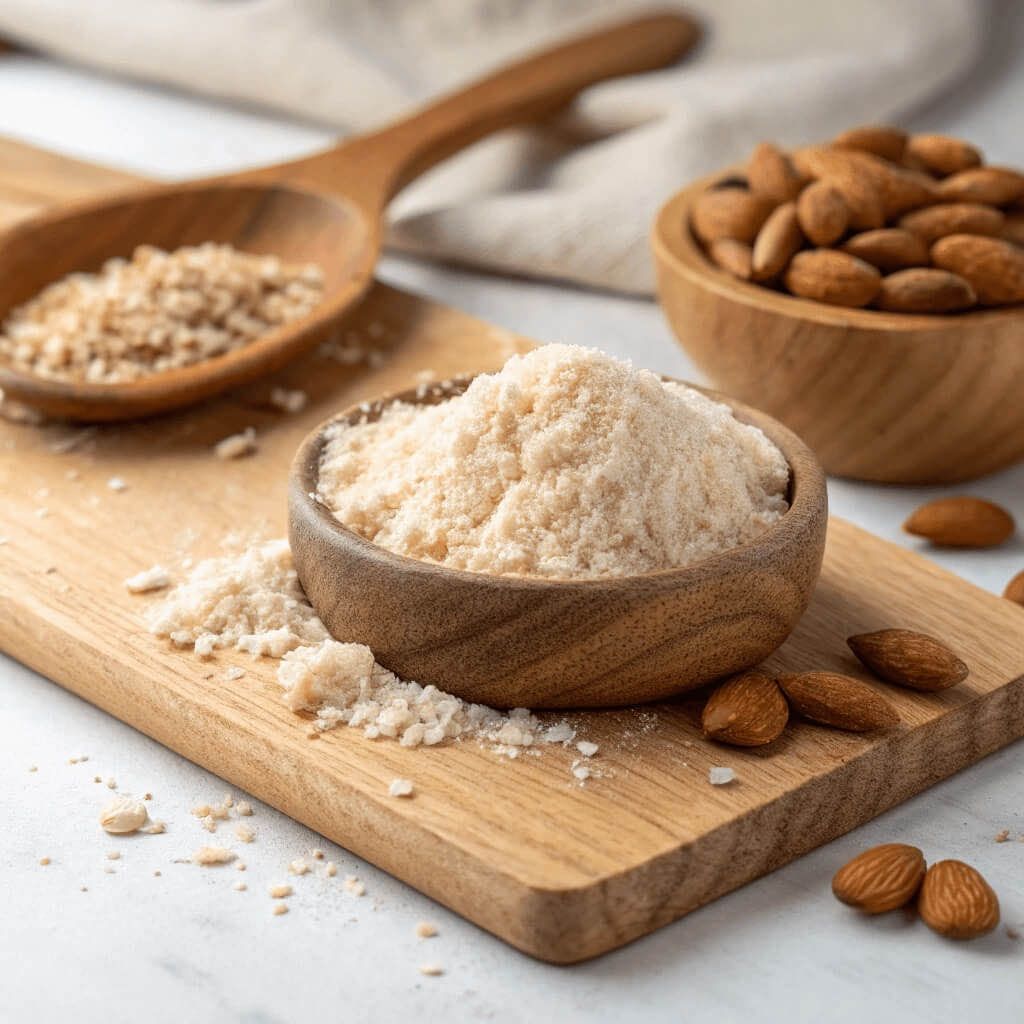
Can Babies Eat Almond?
Almonds are one of the top food allergens, so most families introduce them early and on purpose rather than waiting, since current guidance favors early exposure over delay. For babies that never means a whole nut. It means smooth almond butter thinned well with water, milk, or yogurt, since whole or chopped almonds stay a serious choking hazard well into the toddler years.
Done right, almond butter is a genuinely useful food, not just a safe one. It brings healthy fats for brain development, plant protein, vitamin E, and calcium, a mineral that's surprisingly hard to find in other baby-friendly foods, plus magnesium for bones and muscles. Most babies take to its mild, slightly sweet, nutty flavor right away, and it stirs easily into oatmeal, yogurt, or fruit purees to add richness and staying power. If your baby has eczema or a family history of nut allergies, a quick word with your pediatrician before that first taste is worth it.
Almond Baby Food: How to Prepare It
Puree from 6+ Months
Mix 1 teaspoon smooth almond butter with 2-3 teaspoons water, breast milk, or formula until very thin and drippy—should flow easily off spoon. Offer small amount on pre-loaded spoon for first introduction. Monitor closely for reactions.
BLW from 6+ Months
Blend thinned almond butter into fruit purees like banana or apple, or vegetable purees for added nutrition, healthy fats, and mild nutty flavor. Ensure consistency remains smooth throughout.
BLW from 9+ Months
Spread very thin layer of almond butter on soft toast strips or mix well into cooked oatmeal or yogurt. Avoid thick globs or clumps that could cause choking. Offer water alongside.
BLW from 12+ Months
Offer unsweetened almond milk occasionally or serve almond-containing baked goods like muffins in soft, safe textures. Continue avoiding whole, sliced, or chopped almonds until at least age 4. Encourage utensil use.
Nutritional Benefits
Almonds deliver healthy fats, complete protein, and essential minerals like calcium and magnesium that support early physical and cognitive growth. Excellent plant-based calcium source.
Key Nutrients
Healthy Fats
Support brain and nervous system development.
Protein
Aids muscle and tissue formation.
Vitamin E
Protects cells and nourishes skin.
Calcium
Promotes bone and teeth development.
Magnesium
Supports muscle function and metabolism.
Allergen & Choking Information
Common Allergen
Almonds are tree nuts, a major allergen. Introduce smooth, properly diluted almond butter under supervision. Never offer whole, chopped, or chunky nuts to babies—severe choking hazard until age 4+.
Frequently Asked Questions
When can babies eat Almonds?
Around 6 months (as smooth almond butter or finely ground)
How do I prepare Almonds puree for my baby?
Mix 1 teaspoon smooth almond butter with 2-3 teaspoons water, breast milk, or formula until very thin and drippy—should flow easily off spoon. Offer small amount on pre-loaded spoon for first introduction. Monitor closely for reactions.
What are the nutritional benefits of Almonds?
Almonds deliver healthy fats, complete protein, and essential minerals like calcium and magnesium that support early physical and cognitive growth. Excellent plant-based calcium source.
Sources & Related Resources
Get Personalized Guidance for Every Feeding Stage
Download the Grubsy app to track meals, get tailored recommendations, and explore foods like Almond plus hundreds more, all in one place.
Disclaimer: This information is for educational purposes only and does not replace professional medical advice.